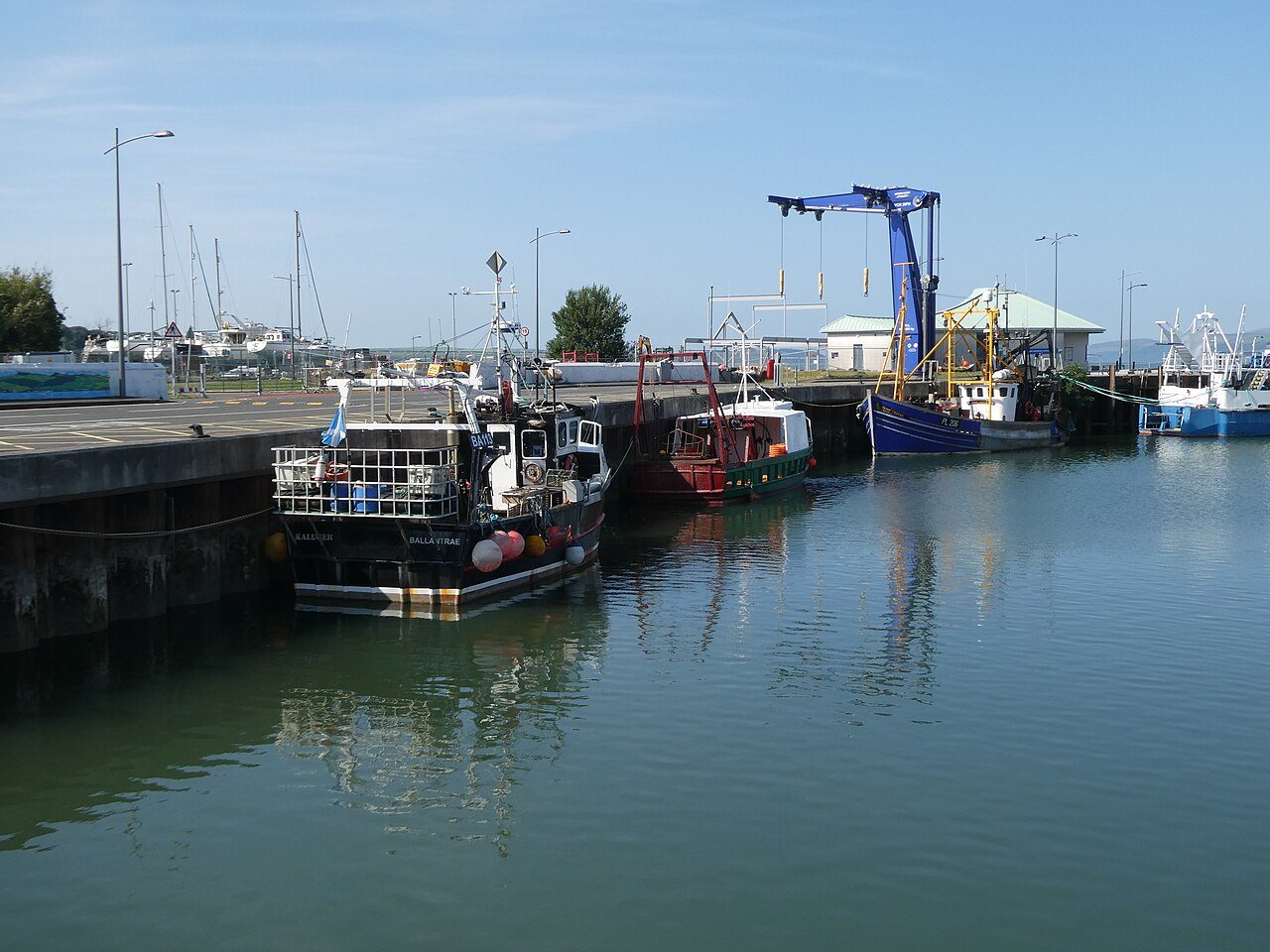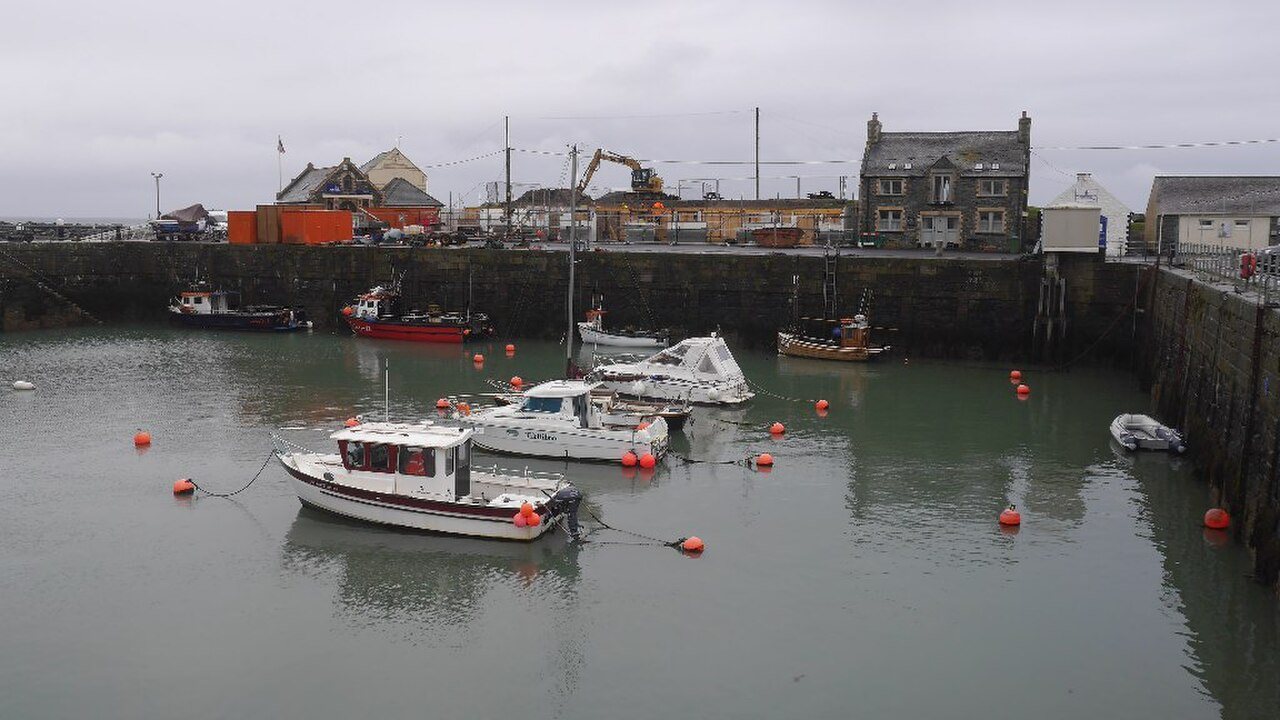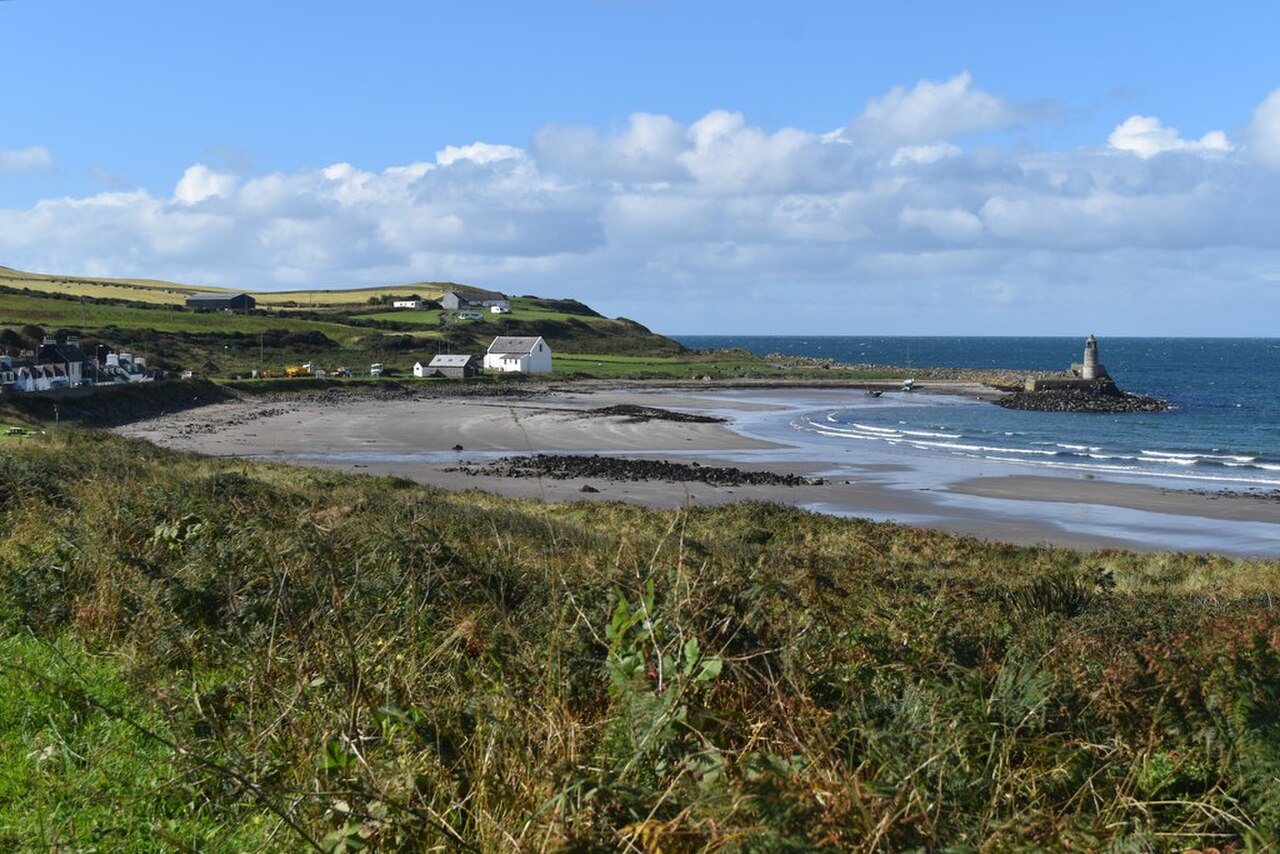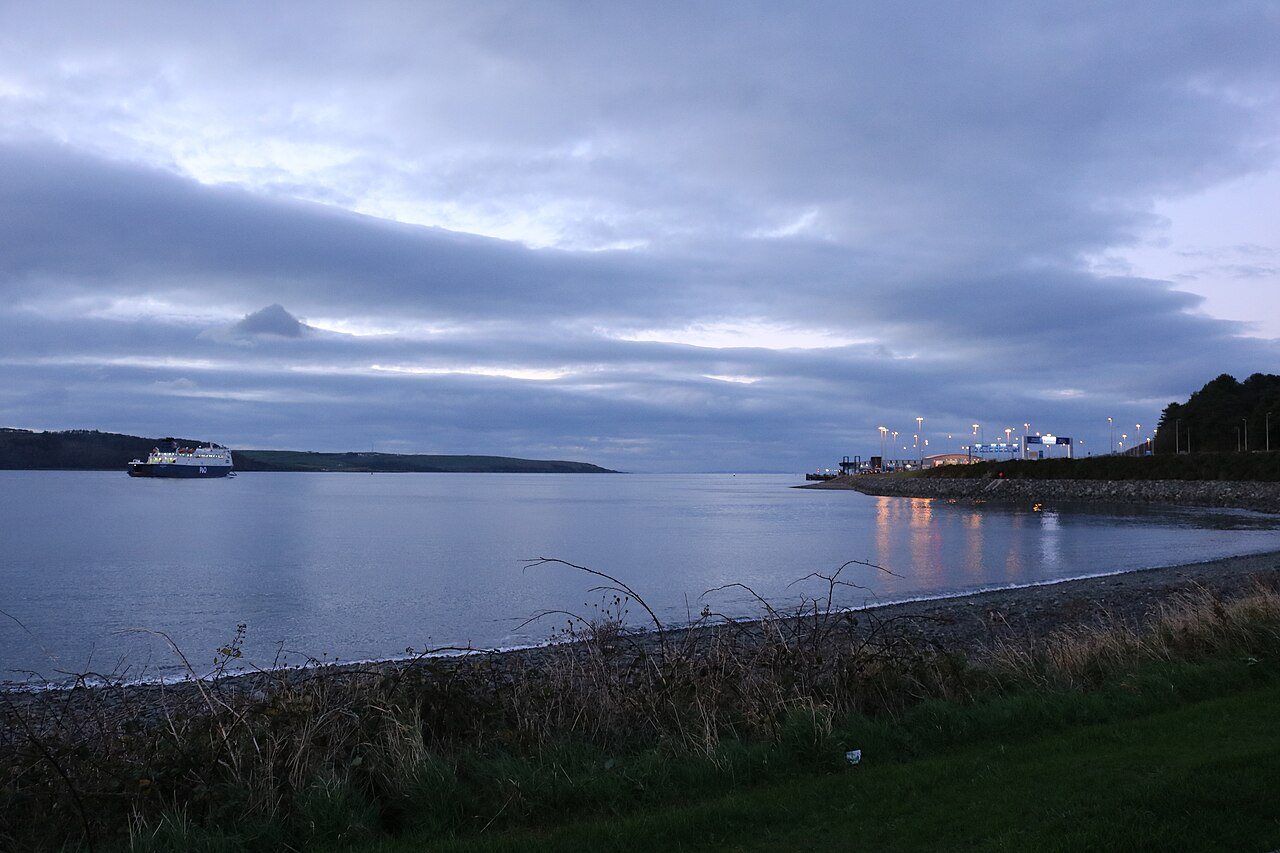
Loch Ryan is easiest to understand as a long coastal inlet with several quite different edges. Stranraer occupies its southern end; the Rhins lie to the west, while Cairnryan and the main road north sit on the eastern side. These relationships matter more to a first outing than trying to follow every kilometre of shoreline.
Read the water from the town
Begin with a map that shows the whole loch and the roads around it. Looking north from Stranraer, the far shore can seem deceptively close. A location opposite you across the water may require a substantial journey around the southern end rather than a direct crossing.
Notice the difference between a sheltered-looking surface and the conditions on land. A sea loch remains tidal, and a breeze funnelled along the shore can change the feel of a walk. Choose a land-based viewpoint with a clear return rather than improvising a route along exposed mud or shingle.
Two shores, different purposes
The Cairnryan side is a working transport corridor. Ferry terminals, approach roads and operational areas should not be treated as a continuous promenade. A ship can be interesting to watch from a suitable public place, but terminal entrances need to stay clear for travellers and freight.
On the western side, the coast path links shoreline habitats and settlements towards Kirkcolm. The official Stranraer-to-Corsewall description provides separate high- and low-tide route information. That distinction is a prompt to consult the actual route, not permission to assume the beach is always a shortcut.
Make one shore your outing
For a modest visit, choose a single purpose: a town waterfront walk, a birdwatching pause around Wig Bay, or a correctly planned transfer to Cairnryan. Mixing them into a continuous shore circuit adds driving or walking that a small map does not communicate well.
Mark the parking place, bus stop or accommodation you must return to. If someone in the group needs firm surfaces, assess the exact stretch rather than the label 'Loch Ryan walk'. Binoculars can bring the distant shore into view without requiring you to reach it.
A couple of practical questions
Is there a road straight across Loch Ryan?
No road crosses the water between the opposite shores. Plan journeys using the roads around the head of the loch and the actual entrance to your destination.
Does the sea loch have tides?
Yes. Check tide information for a shore outing and use the official high- or low-tide route as appropriate. Calm water at the moment you arrive does not make a beach route suitable for the whole day.