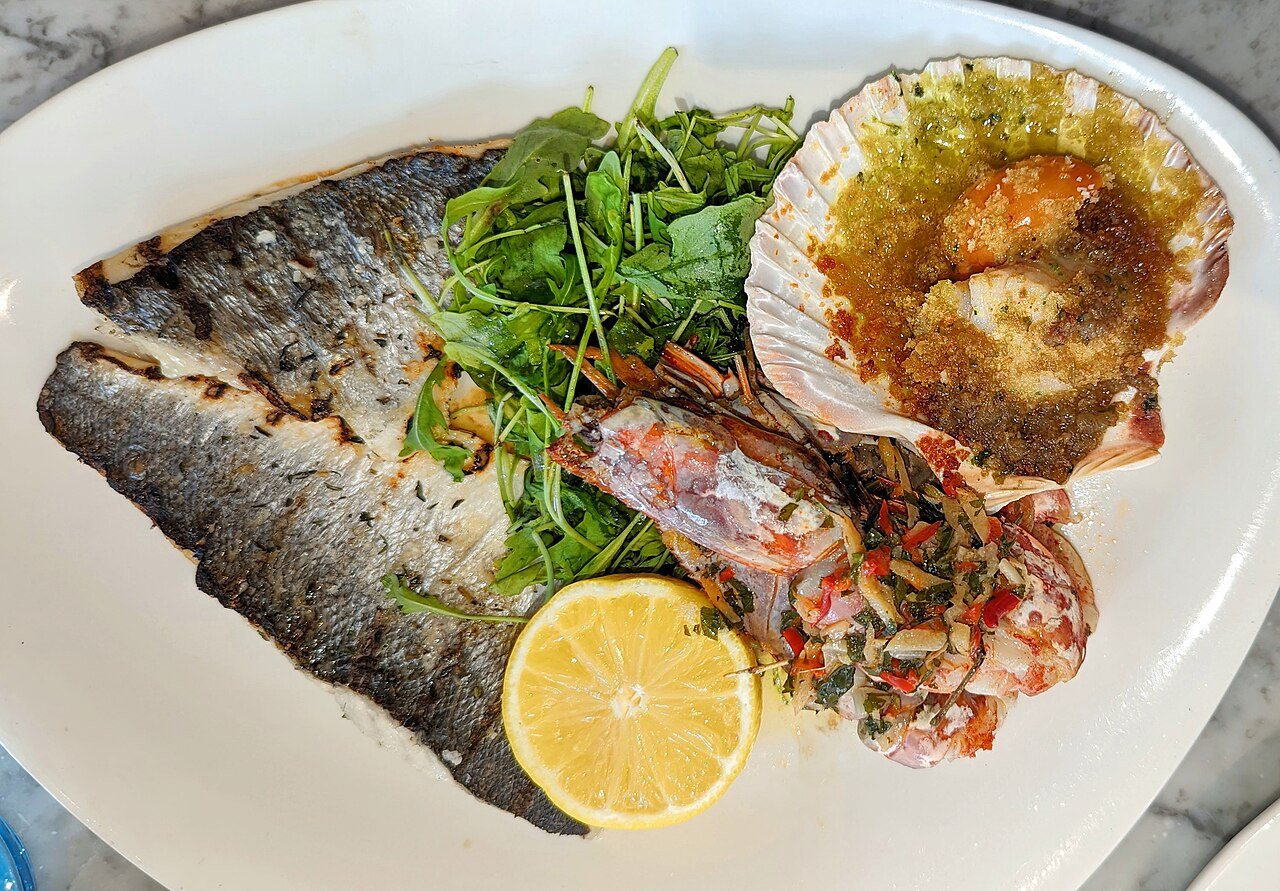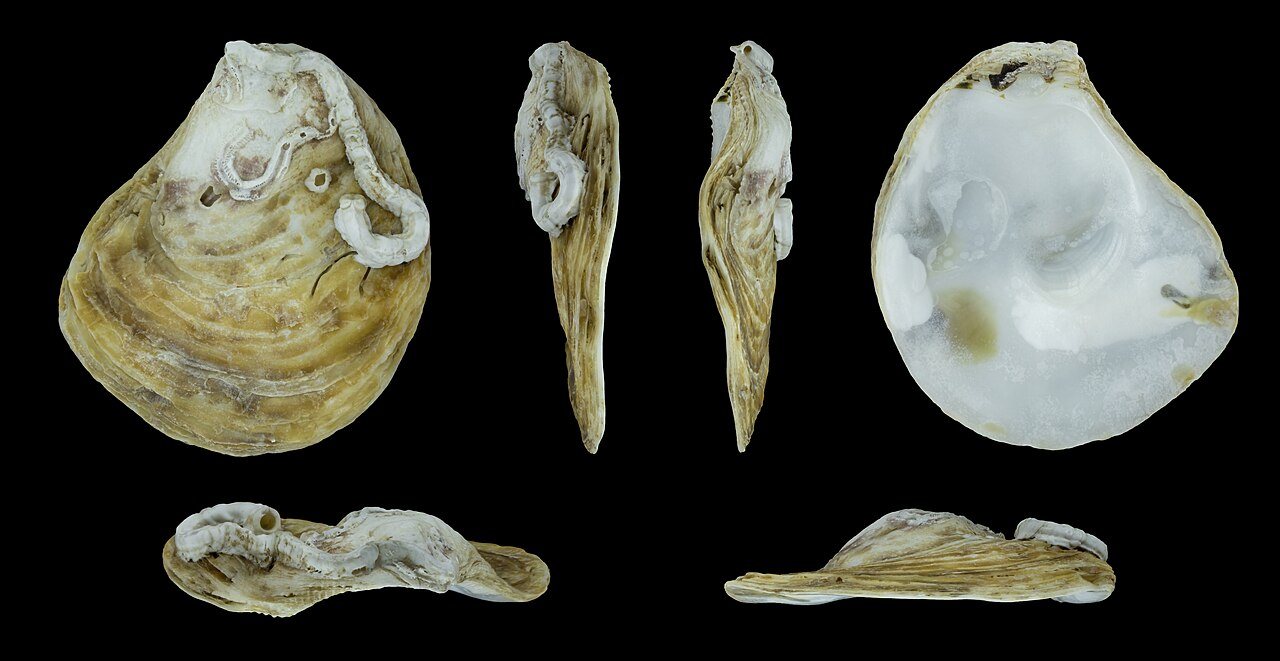
Loch Ryan's oysters are more than a menu description. They connect a living seabed habitat with a longstanding fishery and a public celebration in Stranraer. Understanding that relationship begins with identifying the species. The European native, or flat, oyster is Ostrea edulis, a marine bivalve; it should not be treated as interchangeable with every oyster offered for sale. A visit to the town offers an opportunity to ask better questions about those differences.
Start with the animal and its habitat
NatureScot describes native oysters as filter-feeding molluscs living on the seabed. Sheltered coastal conditions and suitable settlement surfaces matter: young oysters need hard material such as shell or stone to attach to. A view of calm water from the shore does not reveal the full habitat beneath it.
The loch is a sea loch, not a freshwater lake. That marine context helps explain why the oyster story belongs to Loch Ryan. You do not need to locate or enter an oyster bed to understand it; published natural-history information provides a better starting point than guessing from an unidentified shell.
Keep species and provenance separate
A species name tells you what the oyster is, while a place name describes its claimed origin. Ask the seller which species is being offered and where it was harvested or cultivated. The festival's own reporting distinguishes Loch Ryan natives from farmed rock oysters, illustrating why the word 'oyster' alone is incomplete.
An illustration of a native oyster can show shell form without documenting a particular Loch Ryan harvest. Likewise, a shell seen on a beach does not establish that a current fishery supplied it. Keep those claims separate when recording or sharing a photograph.
Understand a working resource without treating it as a collection site
Native oysters have declined in many parts of their former range, and NatureScot identifies conservation concerns as well as Loch Ryan's active fishery. Avoid repeating an old stock estimate as though it were a live count. Management and conservation are topics to learn about through current research and the relevant organisations.
Do not collect, move or attempt to restore oysters yourself. A visitor's interest is better expressed through learning, responsible observation and questions about traceable produce. If eating oysters, use a suitable food business and seek advice about preparation or dietary requirements rather than assuming that a local origin is a food-safety guarantee.
Follow the cultural connection
Stranraer Oyster Festival gives the marine story a public setting through food and community activity. Check the current programme if you want to attend, and distinguish a dated festival account from a promise of future events. Outside festival time, the loch and town still provide a useful context for reading about the fishery.
A short notebook entry can join three strands: the species name, the habitat it needs and one question about the working history. That keeps the oyster connected to its place without reducing it to either a souvenir shell or a dish.
A couple of practical questions
Are all oysters sold locally Loch Ryan native oysters?
No. Ask about both species and origin. Native oysters and rock oysters are different descriptions, and a local sales location does not by itself establish where the shellfish came from.
Can I gather native oysters during a shore visit?
Do not treat this article as permission to collect them. Native oysters are a conservation concern, and harvesting involves specific rights and requirements. Learn from the responsible organisations and leave wildlife in place.