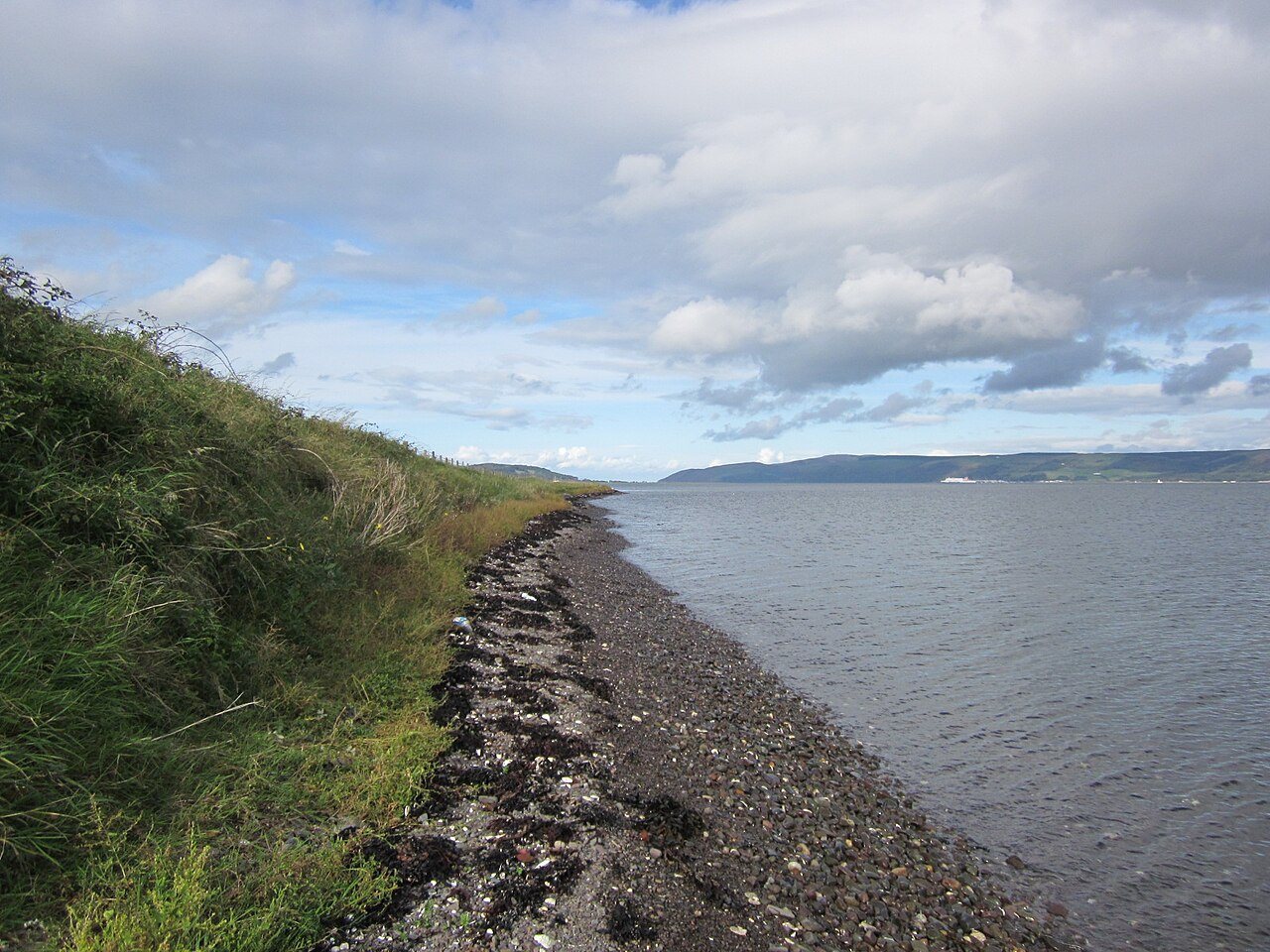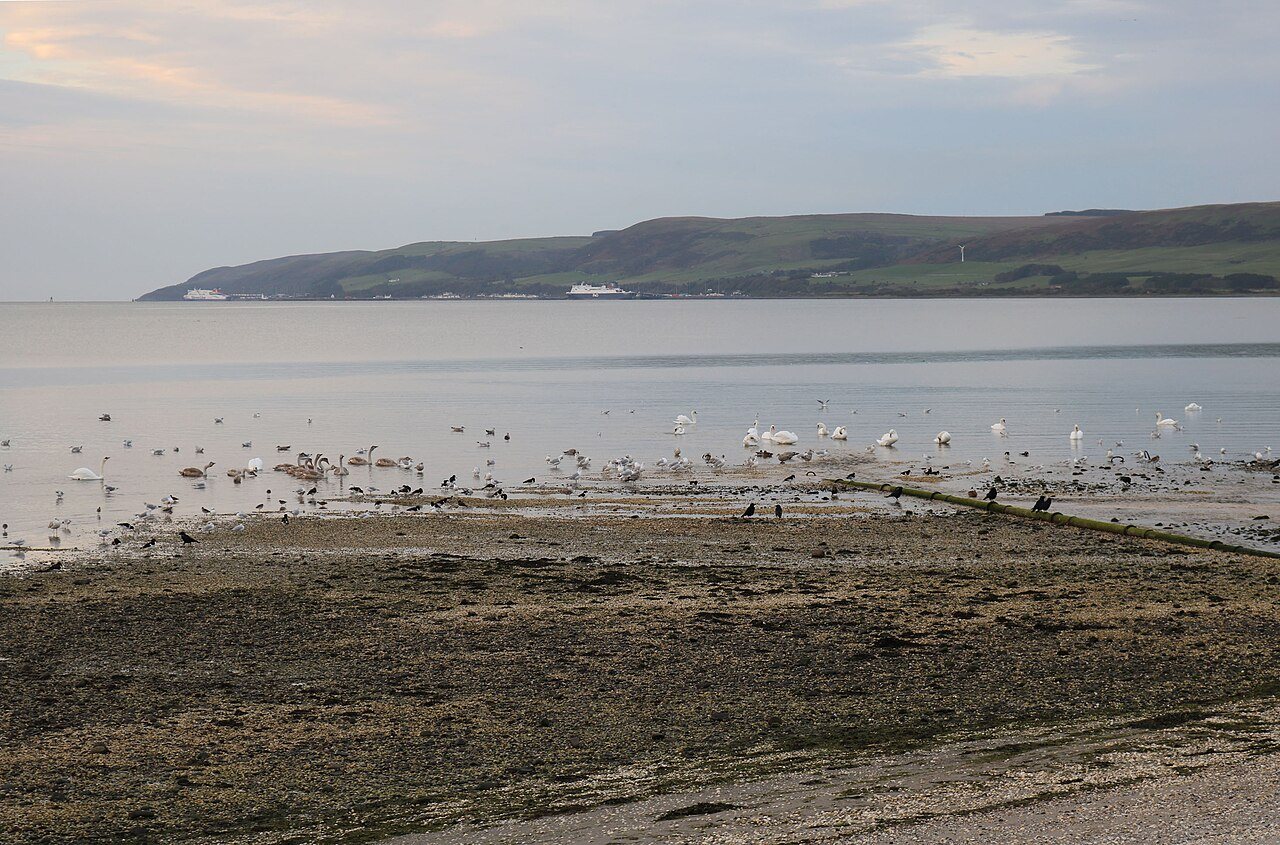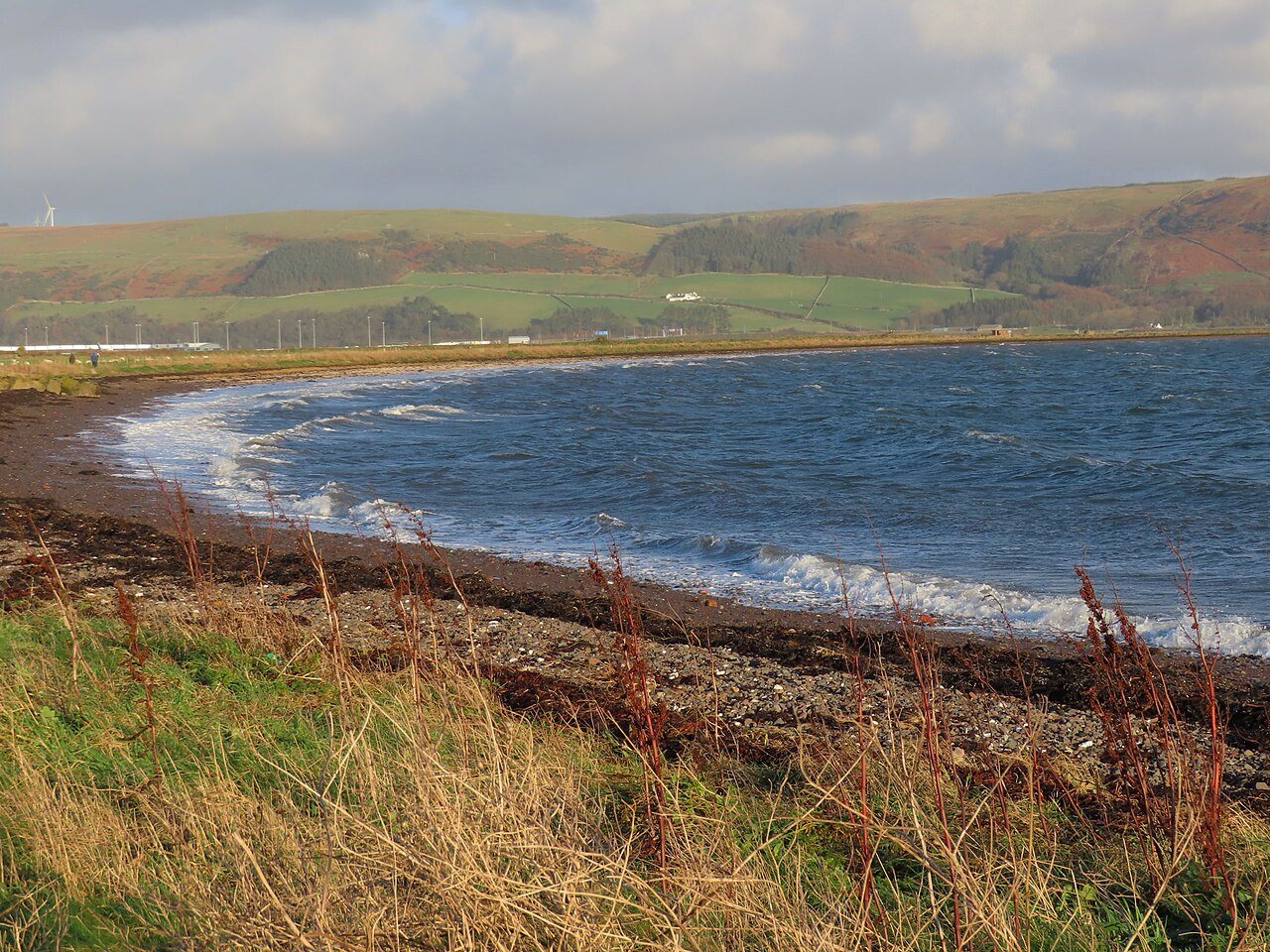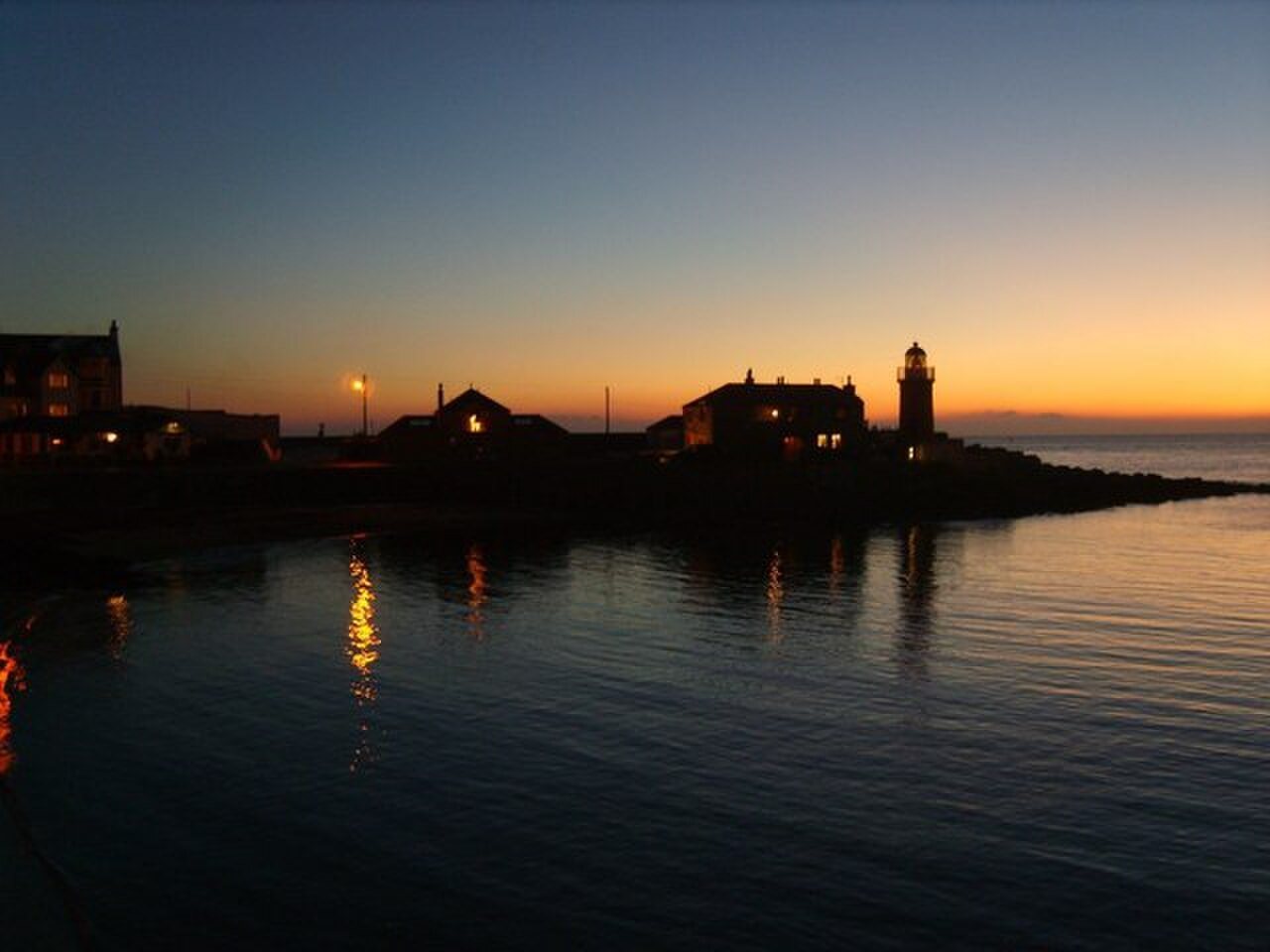
A coastal photograph is shaped by where you stand as much as by the camera. Around the Rhins, cliffs, bays and changing light offer many possible subjects, but the desired frame should never become a reason to move onto uncertain ground. Choose a workable position and let the picture develop from there.
Set a boundary before framing
Identify the established route, a stable place to stop and the direction you will return. Keep equipment out of the path of other walkers. If a tripod leaves no room to pass, choose another position or work without it.
Do not step backwards while looking through a viewfinder or at a phone. Check the ground before changing position, especially near cliffs, wet rock and harbour edges. A wider composition from secure footing can show the coast's scale better than a close-up obtained by scrambling.
Use light that is actually present
Low light can reveal the texture of sand or rock, while overcast conditions can suit more detailed views without strong shadows. Pick a subject that works with the conditions instead of waiting for a particular publicity-image sky.
Try one broad view and one closer detail from the same safe position. The contrast between water, land and a harbour structure can make the wider photograph informative; a smaller image of a rock pattern or strandline can record something easily missed.
Give the tide a place in the schedule
Check the tide for a beach session and identify any point where water could block the return. A long exposure or a sequence of photographs can absorb attention and time. Recheck the surroundings instead of allowing the camera to become your only focus.
The RNLI warns that moving up a beach may not be an option where a cove or outcrop cuts off the way. Leave a generous margin and change the session to a land viewpoint when the window is unsuitable.
Let wildlife and people keep their space
Use distance to photograph birds without causing them to alarm, move or stop feeding. Never make a nest or roost the reason for leaving a public route. Respect local reserve guidance.
Around villages, keep doors and paths clear and avoid intruding into homes or private gardens. A photograph of the coast can include ordinary working life without treating residents, crews or other visitors as props in a scene.
A couple of practical questions
Do I need sunrise or sunset for good coastal photographs?
No. Soft overcast light, changing cloud and ordinary daylight can suit different subjects. Choose a photograph that fits the conditions and the safe time available for the return.
Should I go closer if a bird is small in the frame?
Only if you can remain on suitable access and avoid disturbance; often the better choice is to keep your distance. A wider image can show habitat and scale without interrupting the bird's behaviour.