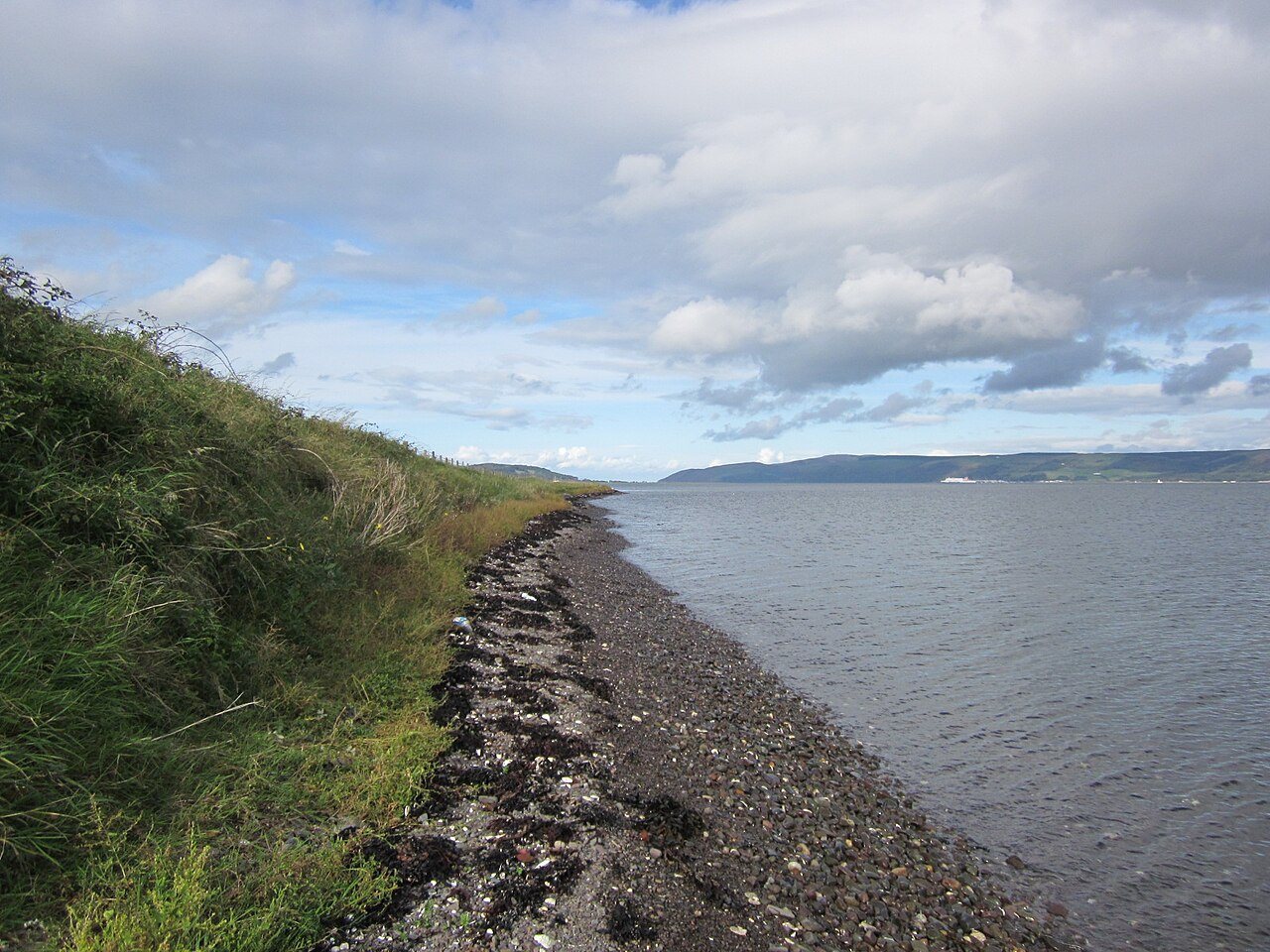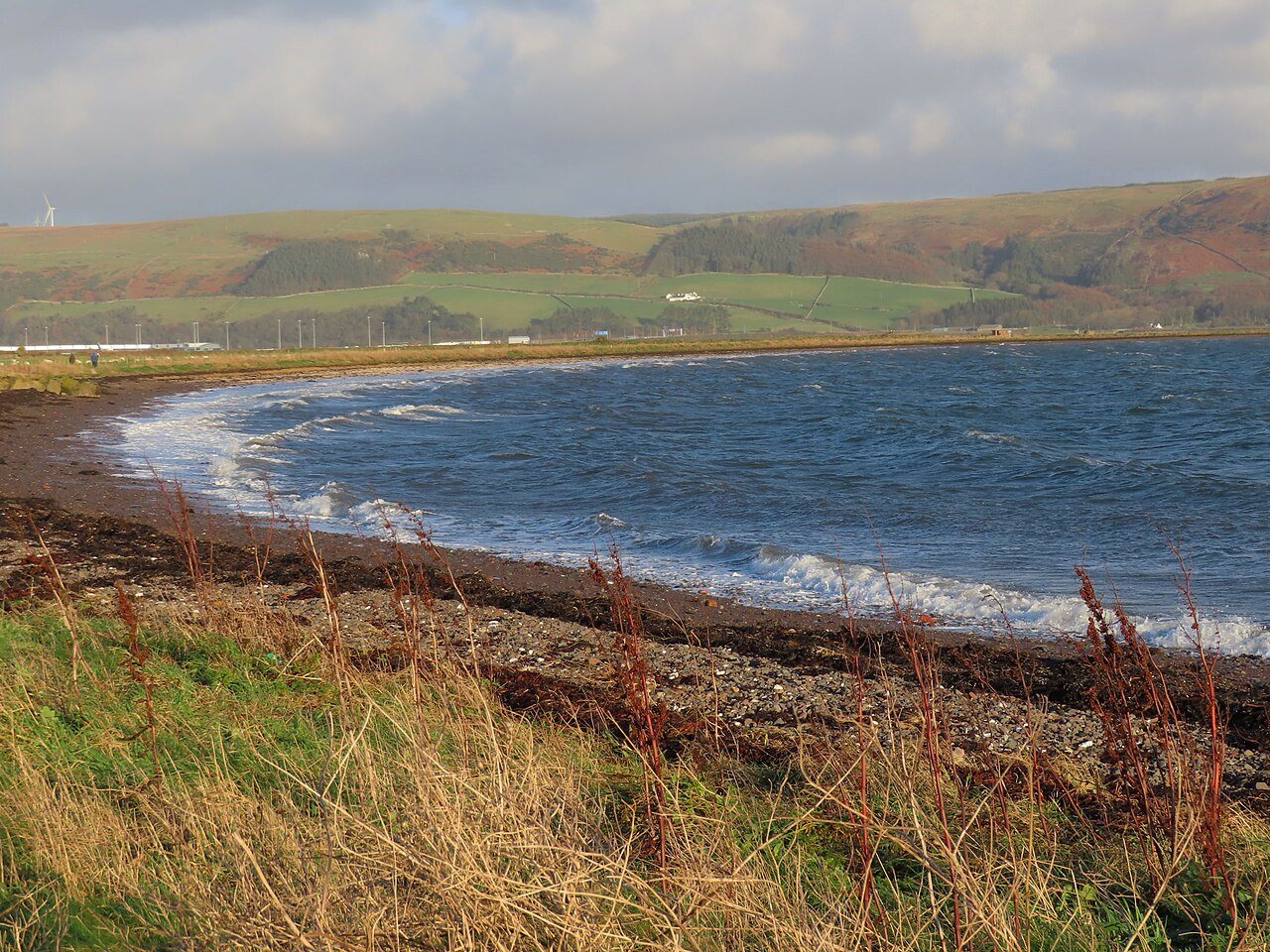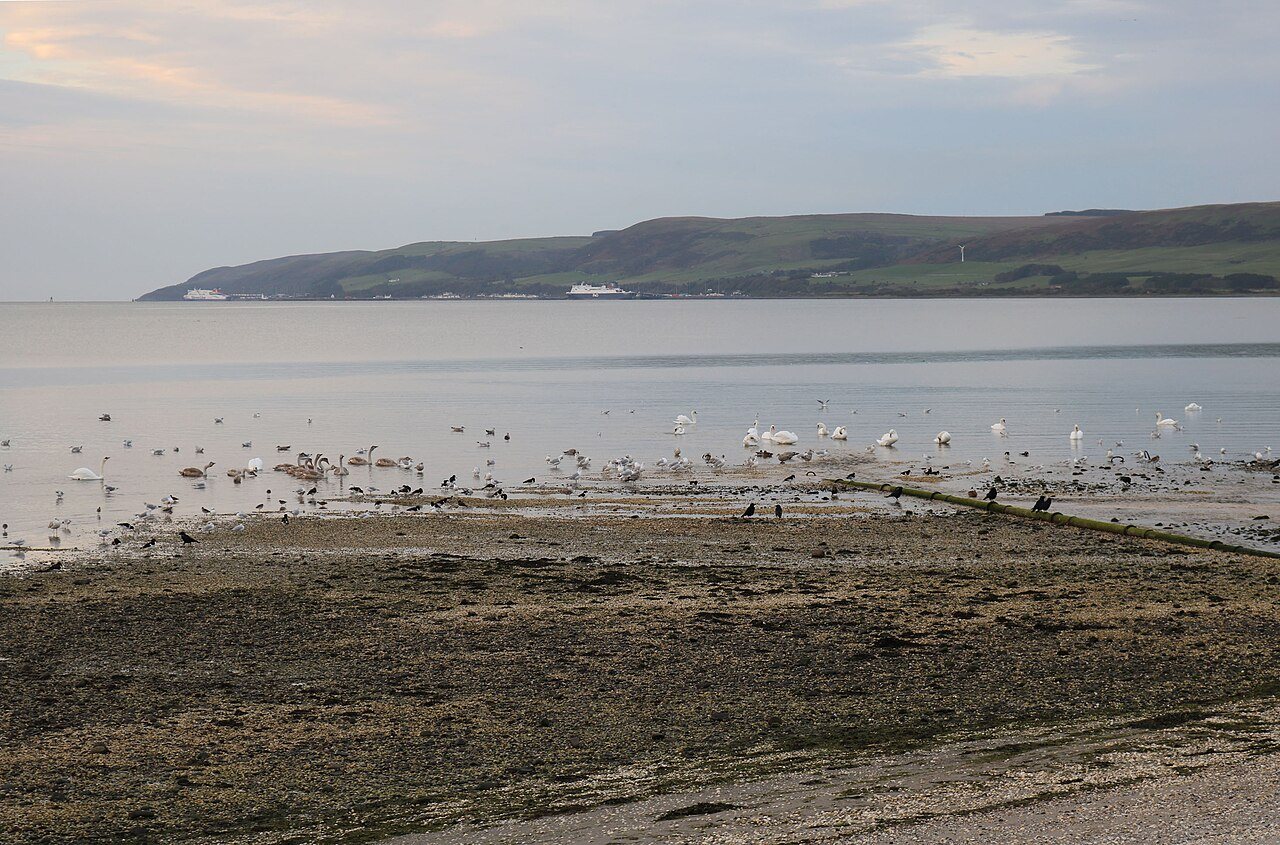
Loch Ryan's mixture of sheltered water, tidal ground and shingle supports birdwatching through the seasons. A useful first outing is less about obtaining a long species list than learning to watch behaviour. Choose one suitable viewpoint, settle quietly and allow the birds to determine how close is close enough.
Match expectations to the season
The official coast-path account highlights wintering scaup and pale-bellied brent geese, while other birds use the loch for breeding or moulting at different times. A record or guide tells you what may occur, not what must be present during a particular visit.
Look first at broad groups: ducks on the water, birds probing the exposed shore, or birds resting together above it. Distinguishing those behaviours gives a beginner something useful to notice even when distance, winter plumage or light makes precise identification difficult.
Choose a viewpoint rather than an approach
Binoculars let you remain on a suitable public route while studying birds farther away. Check the whole field of view before walking closer: what appears to be a few scattered birds may be the edge of a larger feeding group or a resting area.
If birds repeatedly stop feeding, move away, call in alarm or take flight as you approach, create more distance. Do not follow them to the next resting place for another attempt. Keep dogs close and controlled; a brief chase can disturb far more of the shore than a human observer realises.
Use tide and light thoughtfully
The tide changes which feeding areas are exposed and where birds gather. Check it before choosing a visit, but do not interpret concentration at high water as an opportunity to crowd a roost. A stationary observer with a good view is often more effective than someone continually moving along the beach.
The Solway Firth Partnership's guide identifies several Loch Ryan observation areas, including the town waterfront and Wig Bay. Choose one that suits your transport and footing rather than trying to visit every marked point. Write down the date, location, tide state and what you actually saw; those details are more useful than an uncertain name recorded without context.
A couple of practical questions
Are the same birds present all year?
No. Migration, breeding and moulting change the mix, and individual sightings vary. Use seasonal guidance as background rather than a promise of a particular bird.
How can I tell if I am disturbing birds?
Watch for a change in behaviour linked to your approach, such as alarm, interrupted feeding or movement away. Increase the distance promptly and avoid pursuing the birds after they relocate.