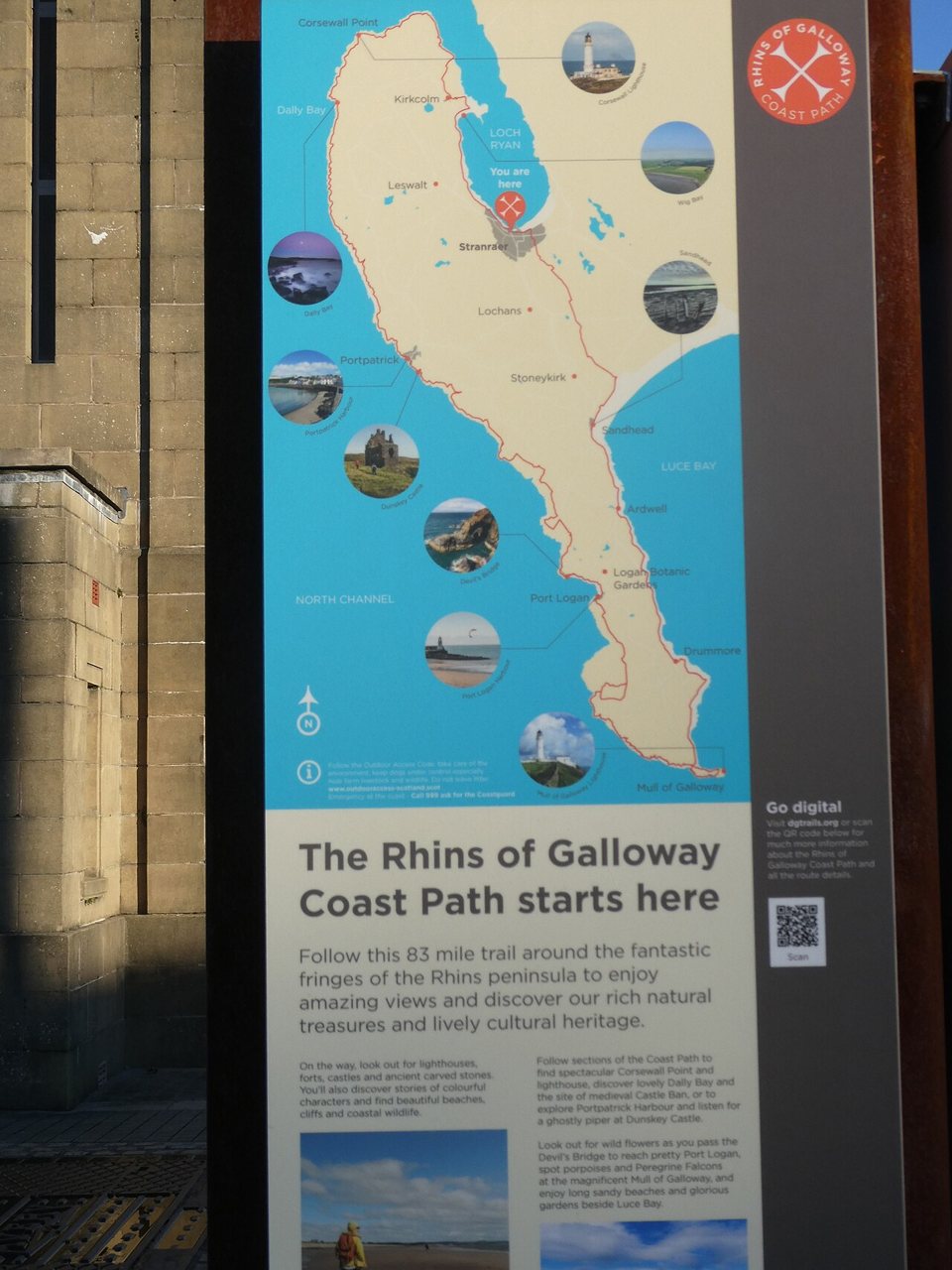
An e-bike can make a rural outing more approachable, but it does not remove the need to plan. On the Rhins, the useful question is not how far a particular battery can travel in ideal conditions. It is whether this bicycle, this rider and this route leave a comfortable reserve for the return. Treat a quoted range as background information rather than a promise, and keep the route within your handling and road confidence.
Find out which bicycle you will actually use
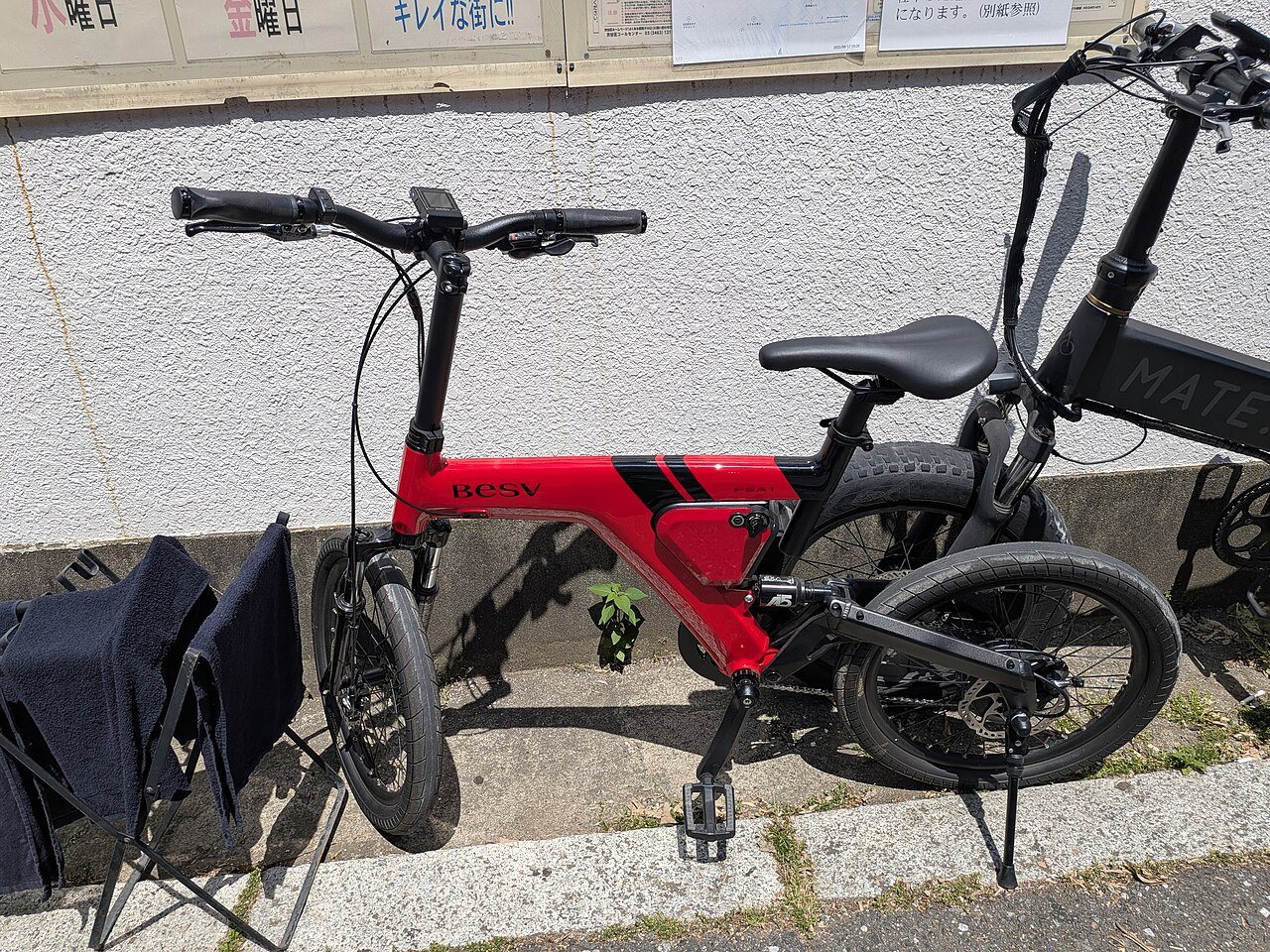
For a hire bike, ask about size, weight, assistance controls, brakes and battery status before leaving. Practise starting, stopping and changing assistance in a suitable place away from traffic. An unfamiliar heavier bicycle may feel different when turning slowly, pushing through a gate or handling a loaded bag.
Check what equipment the hire includes and how a mechanical problem should be reported. If there are several riders, agree a pace that suits the least confident person rather than letting different assistance settings separate the group. The motor helps pedalling; it does not make a poor surface or awkward road junction disappear.
Keep a reserve for real conditions
Cycling UK's e-bike guidance explains that battery capacity, loading, terrain and conditions influence range. Headwinds, frequent climbing and higher assistance can make a day's experience quite unlike a promotional figure. Begin with a fully prepared bike according to the provider's instructions and choose a turning point comfortably inside the expected capability.
Watch the remaining charge during the ride, especially after a hilly or windy stretch. A display estimate is useful, but its prediction can change with conditions. Do not spend the last reserve reaching a distant viewpoint and assume the return will be effortless. Some riders can pedal a particular e-bike without assistance, but that is not a universal practical fallback.
Do not invent charging stops
A cafe having electrical sockets does not mean customers may charge bicycle batteries there. Obtain permission and confirm compatibility before including any charging stop in the route. Allow for the actual charging time and carry only the correct charger specified for the battery; avoid improvised adapters or borrowed equipment of uncertain suitability.
Ask accommodation providers about their battery storage and charging arrangements before arrival. Follow the manufacturer's instructions and the property's requirements. A booking described as cycle-friendly should not be interpreted as approval to charge any battery in any room.
Make the ride suit the day
Check the roads and surfaces as carefully as for a conventional bicycle. Coastal walking paths may have obstacles or exposure that make them inappropriate, even when the motor can manage the gradient. Carry food, water, route information and a means of communication.
Finish with a little energy and charge left. That margin lets you respond to a detour or slower return without turning an enjoyable day into a test of how far the battery can be exhausted.
A couple of practical questions
Can a provider guarantee the range for my route?
Ask for route-specific advice, but expect qualifications about rider, load, assistance and weather. Plan with a reserve rather than using a single distance figure as an exact limit.
Can I charge while having lunch?
Only if the venue agrees and the arrangement is suitable for the battery and correct charger. Confirm it in advance; a nearby socket or an online map marker is not permission.