Buying food during a stay can be part of learning about a place. Around Stranraer and the Rhins, approach a shop, market or menu with specific questions rather than expecting the word 'local' to have one universal meaning. A product might be grown nearby, made nearby using ingredients from elsewhere or simply sold by a local business. Each can be useful, but they describe different relationships with the area.
Ask about the main ingredient
Choose one item that interests you and ask where its principal ingredient was grown, raised, caught or made. For a prepared food, separate the producer's location from ingredient origin. A local address on packaging may identify the business without explaining every component.
Read the product information and use the seller's answer as a description of that item at that time. Food Standards Scotland's labelling guidance emphasises clear and accurate information, but a visitor does not need to master the entire rulebook to ask an ordinary provenance question.
Let seasonality include variation
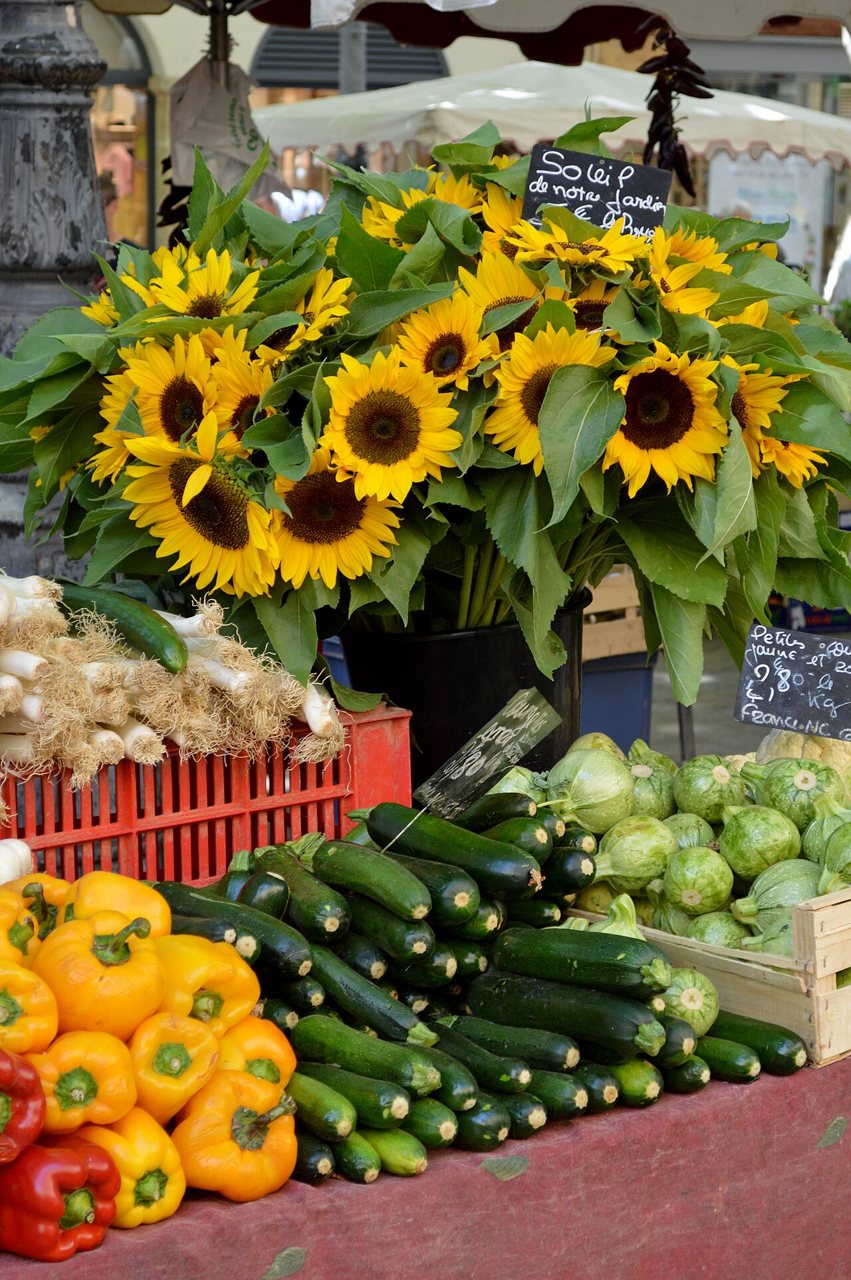
Ask what is particularly available now and how the product should be used. Weather and supply can change what a small producer brings, so a list saved from a previous visit may not reflect the current selection. Seasonal interest is an invitation to choose from the actual offering, not a demand that every product be available every month.
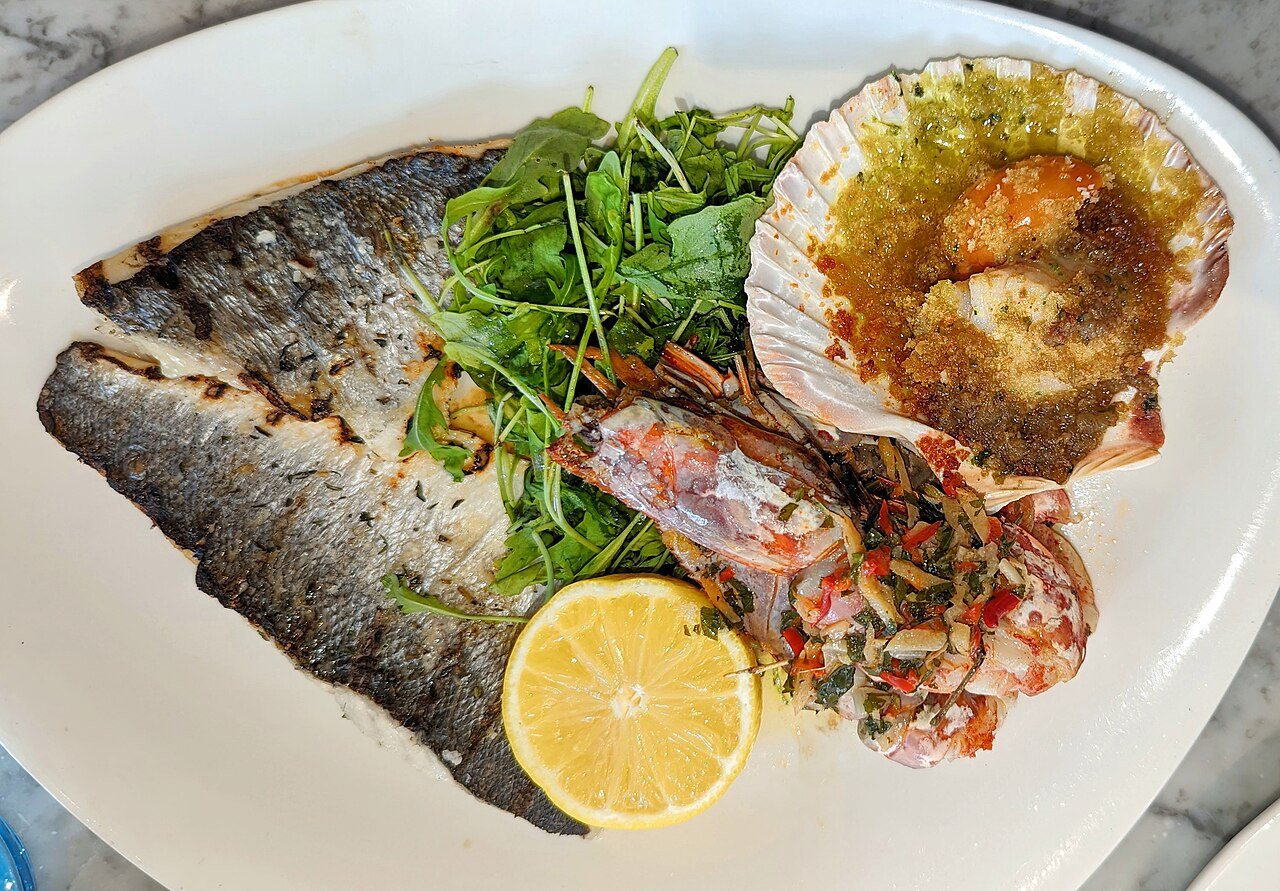
For seafood, ask the species and origin as separate questions. A business selling native oysters may also sell other shellfish or products from different places. Keep notes precise rather than labelling everything bought in a coastal town as locally harvested.
Buy what your stay can use
Check storage, preparation and transport before purchasing perishable food. A self-catering kitchen may have limited equipment or fridge space. Choose quantities that fit the meals you expect to make, and ask how to keep the product if you intend to carry it home.
If allergies or dietary restrictions matter, read the current ingredients and discuss them with the provider. Provenance and suitability are separate issues. One small, well-understood purchase can provide a better connection to the place than a large collection of products bought mainly because the packaging looks regional.
A couple of practical questions
Does a local producer use only local ingredients?
Not necessarily. Making, ingredient origin and selling location are different facts. Ask about the particular product if that distinction matters to you.
Do I need to find a market to buy regional food?
No. Shops, food businesses and producers may offer relevant products. Check current opening and availability, and judge the information about the item rather than the style of the sales setting.