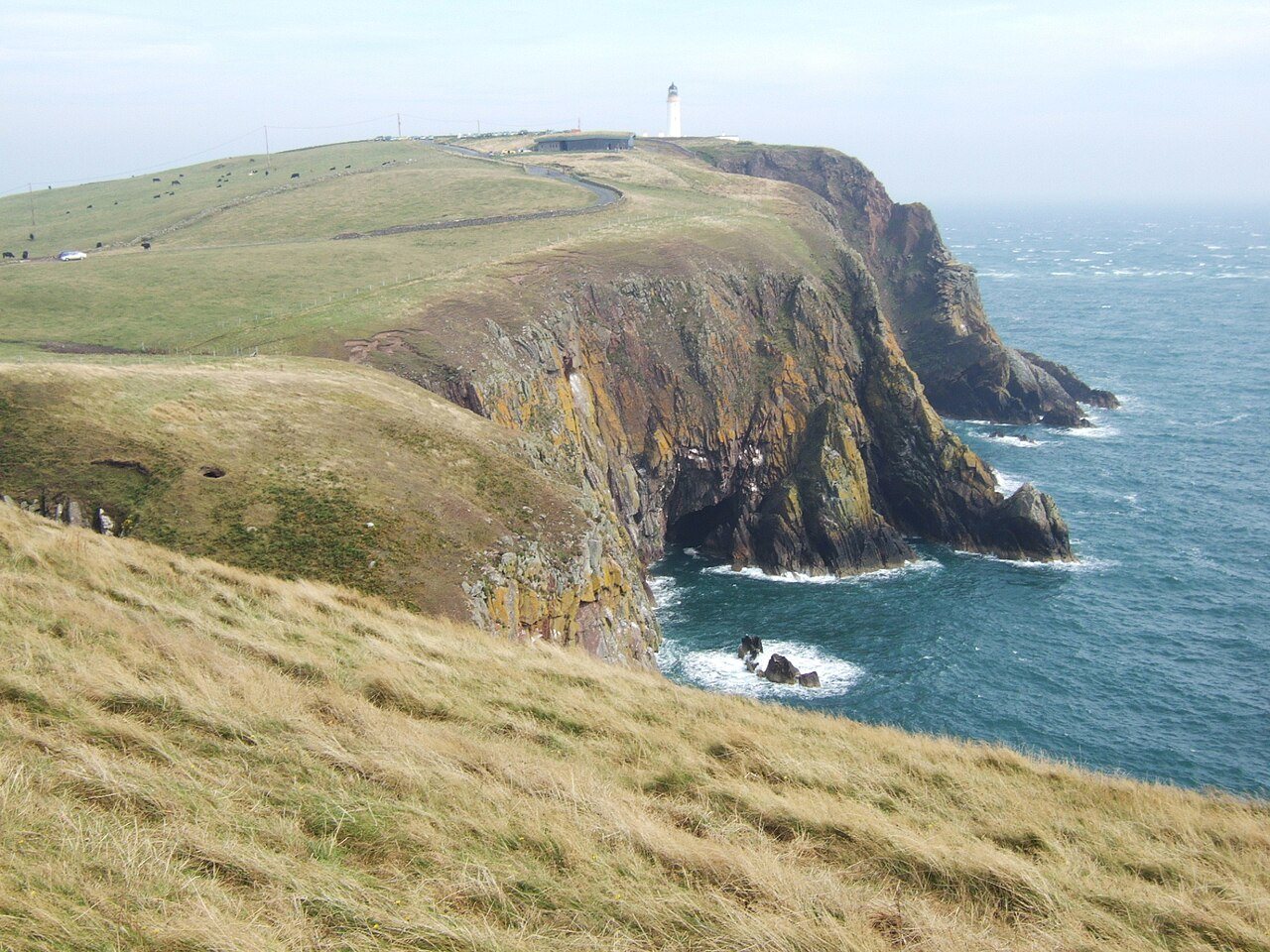
The Mull of Galloway is Scotland's southernmost mainland point and a striking place to see how a headland differs from the sheltered shore at Stranraer. Its lighthouse, cliffs and reserve can support several kinds of visit. Decide what matters most to your group instead of assuming that every feature must be included.
Make the approach part of the plan
The final journey is to the end of the peninsula, so allow time for the road and the return rather than treating the Mull as a quick detour between other stops. Before travelling, check the forecast and the current information from the reserve and lighthouse visitor operators.
A clear day can open distant views, but poor visibility does not mean you should keep moving towards an edge to find them. Wind can be stronger on the headland than at an earlier village stop. Choose a shorter visit or a different destination when the conditions do not suit the exposed ground.
Match the visit to the terrain
The reserve describes a mixture of surfaces, including grass, rolled stone, tarmac and boardwalk. Contact it for the particular route if steps, gradients or uneven ground affect your plans. A short distance on a map is not a reliable description of the effort needed.
A lighthouse climb is a separate decision: the Northern Lighthouse Board records 114 steps to the top of the tower. Enjoying the headland does not require climbing them. If only part of the group wants to go up, arrange a sensible meeting place and check what is actually open that day.
Watch the living coast
Seabirds, heath and cliff-top flowers are part of the reserve's interest, with different things to notice through the seasons. Binoculars are useful, but do not make sightings compulsory. Spend time observing from a stable position on the established path rather than searching for a closer ledge.
Keep dogs under appropriate control, follow local guidance around ground-nesting birds and livestock, and take waste away. The lighthouse remains an operational aid to navigation, while the surrounding site has a community-management history. Both roles help explain why this is more than a scenic backdrop.
A couple of practical questions
Must I climb the lighthouse to visit the Mull?
No. The headland and reserve are distinct experiences. A tower visit depends on current visitor arrangements and your ability to manage the steps.
Is the whole headland suitable for a wheelchair or pushchair?
Do not assume so. The reserve identifies mixed and uneven surfaces and asks visitors to contact it for detailed access information. Plan the exact route that meets your needs.