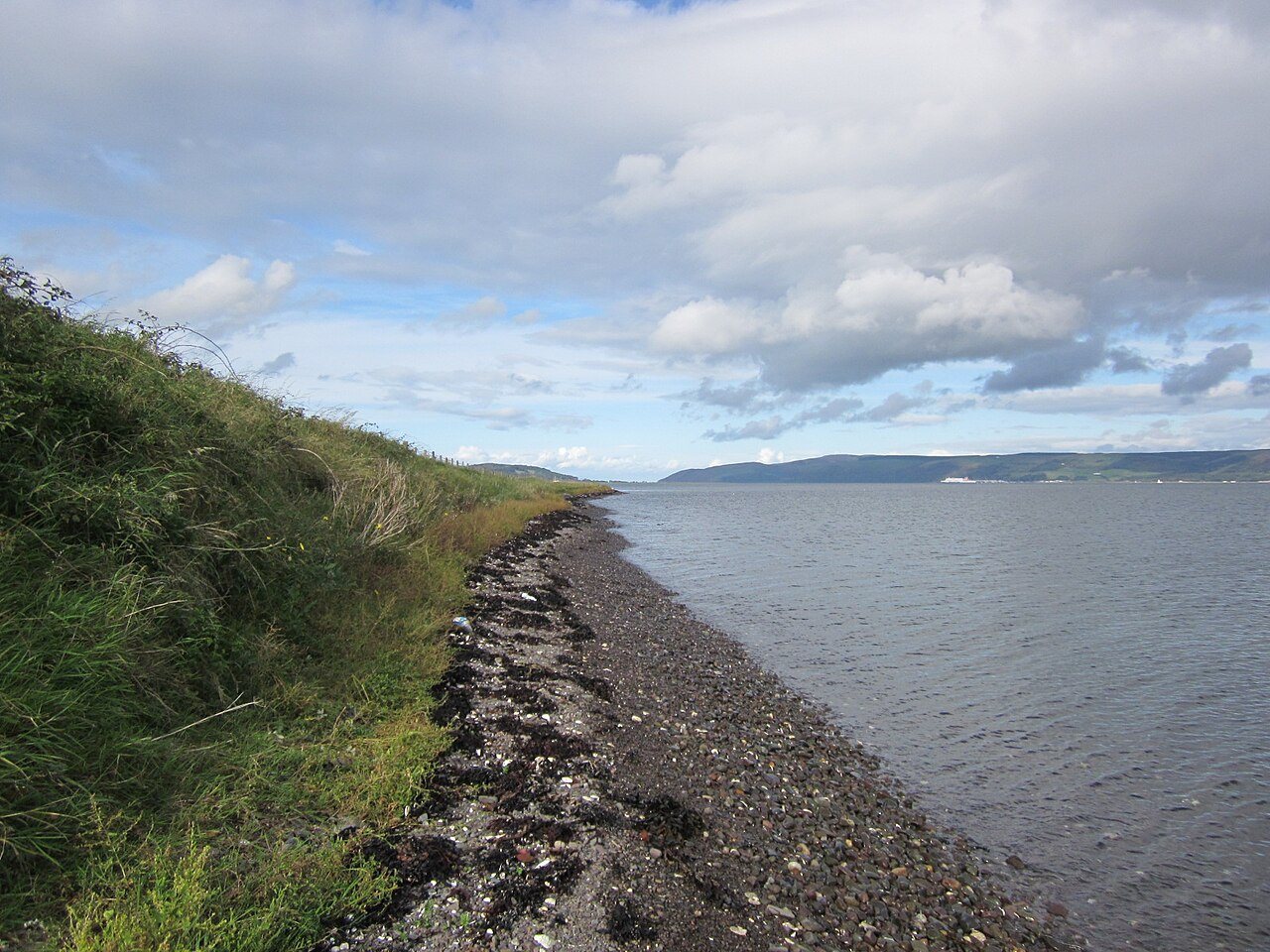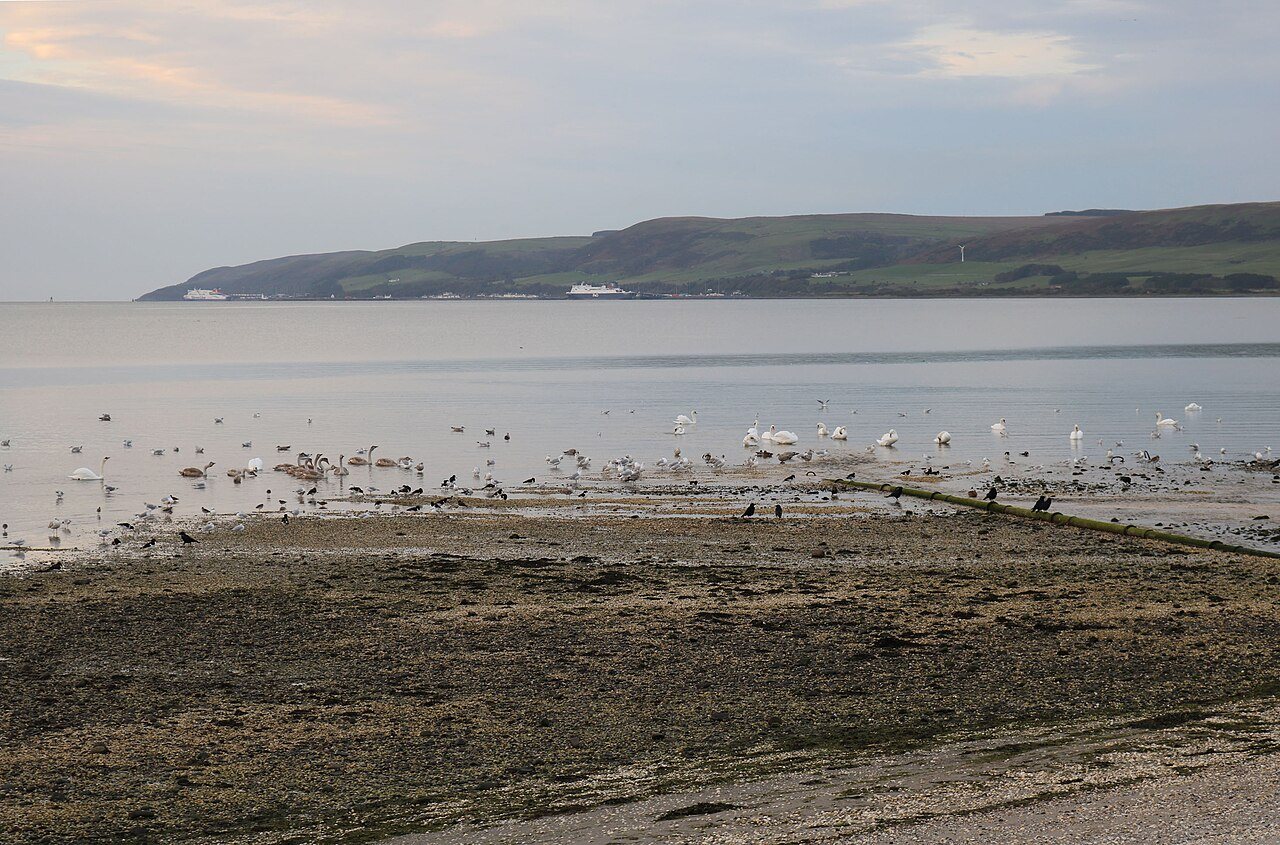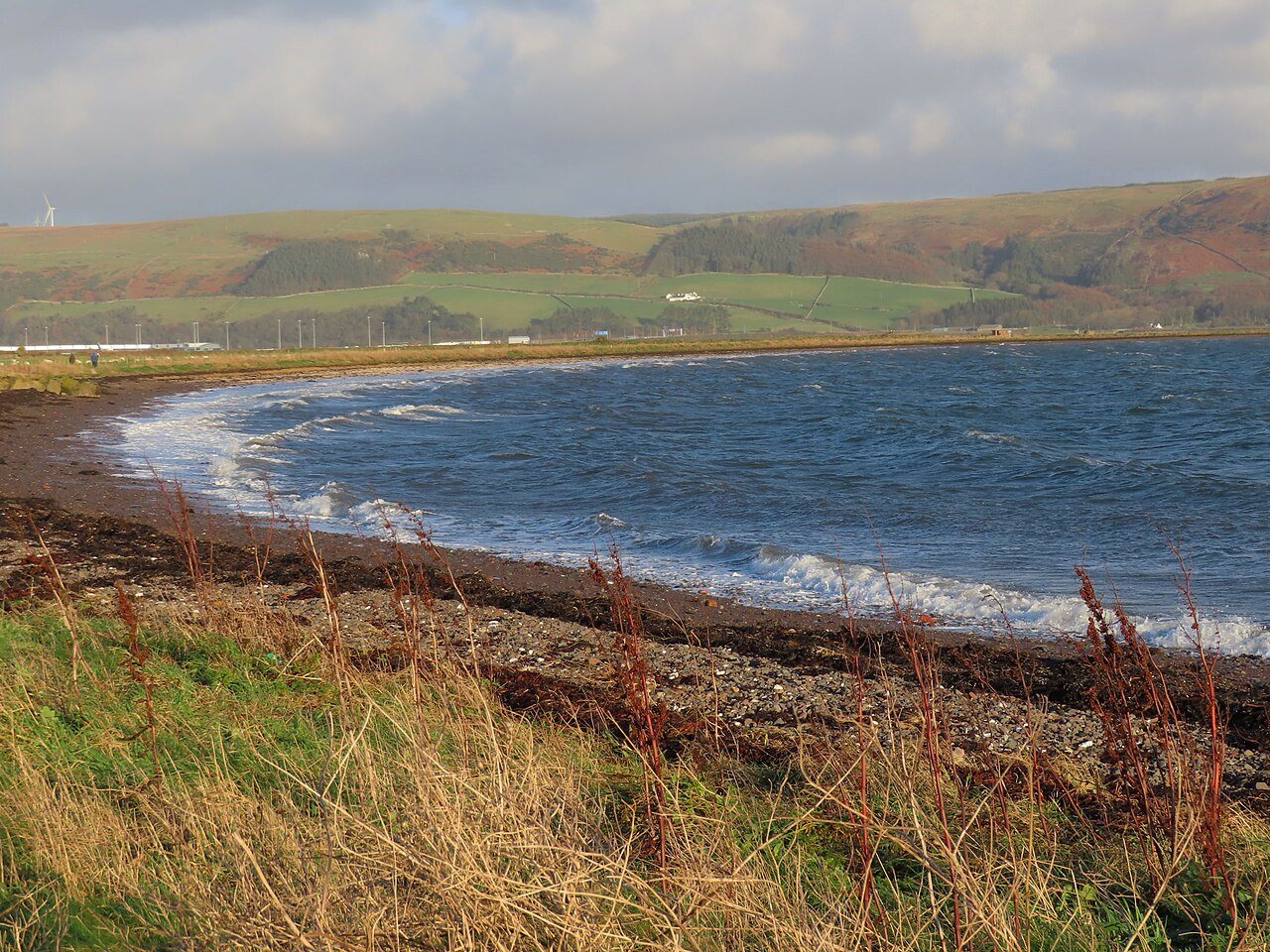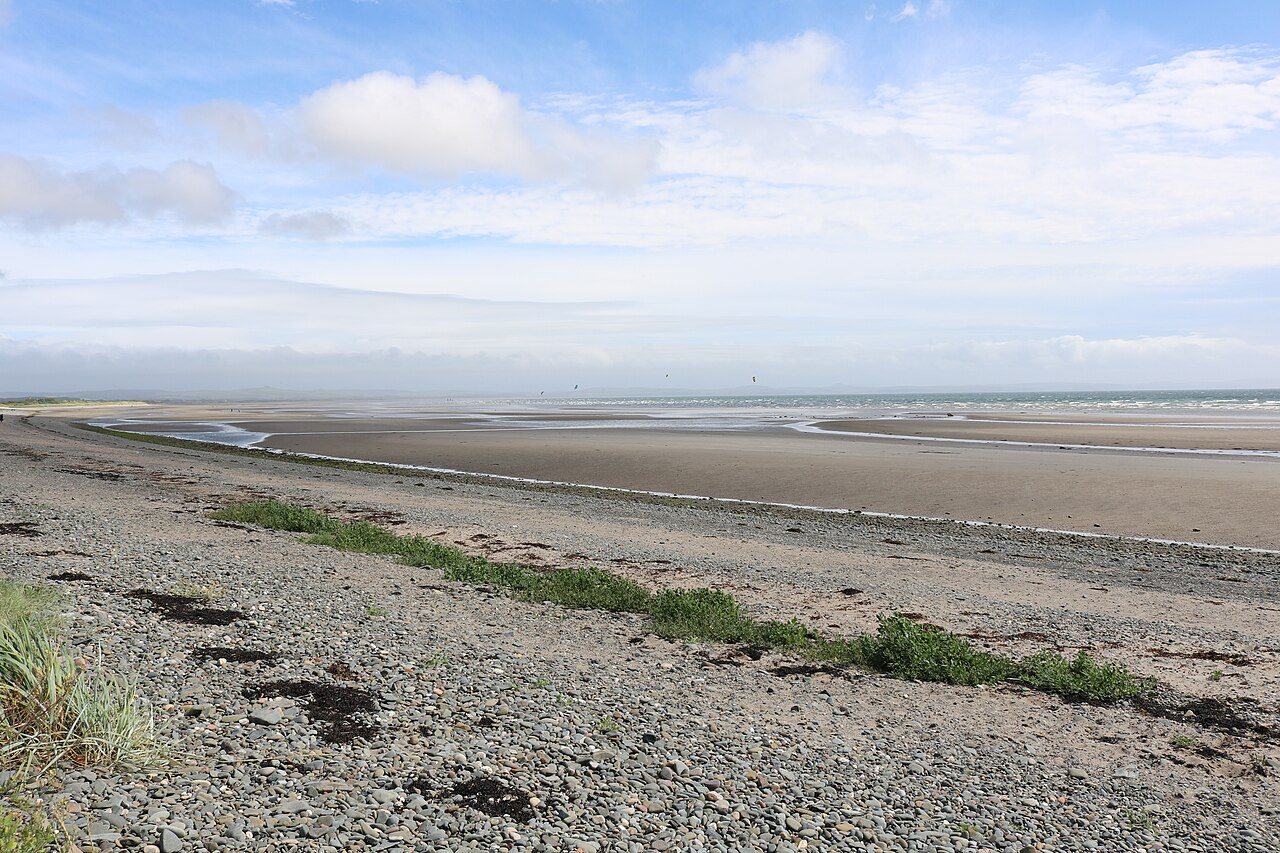
Sandhead's broad shore is one of the clearest places to notice how much a coastal scene can change during a day. At low water the exposed sand can seem to invite endless wandering. A better plan begins with the tide, the return point and the amount of walking your group actually wants.
Measure the return as well as the view
A flat beach gives few visual clues to effort. Walking towards distant water can add considerable distance before the return has even begun. Identify a landmark near your entrance and keep the outing within a range everyone can comfortably walk back from.
If you use a wheelchair, pushchair or mobility aid, investigate the precise access and surface. Sand that looks smooth in a photograph may be soft, ridged or crossed by wet areas. The shortest line to the sea is not necessarily the easiest place to walk.
Use the tide to choose the outing
Check the local prediction for the correct date and note whether water will be rising during the visit. Do not rely on the time of yesterday's low tide. Wind and weather can also affect conditions, so use the prediction alongside what is happening around you.
Keep clear of channels and do not press around an obstacle when the return is uncertain. The RNLI warns that a rising tide can block the way back rather than simply move the waterline closer. Leaving a comfortable margin is more useful than trying to calculate the last possible moment to turn.
Choose a documented circuit
The official Sandhead village walk gives a defined alternative to an unplanned distance across the flats. It links shore, dunes and a return towards the village. Use the current description and signs, particularly where the route passes through areas with other uses.
The wider Luce Bay landscape includes a military range. Respect current flags, barriers and notices and remain on the permitted route; the fact that a village walk is available does not open every part of the bay. For a shorter visit, watching the changing water from a suitable position can be the whole outing.
A couple of practical questions
Does low tide mean the beach is safe to explore without limits?
No. Check the intended route and return, the incoming tide and local warnings. Low water at arrival does not guarantee that every part remains reachable later.
How can I avoid walking farther than intended?
Choose a clear turning point before leaving the access area and include the return in your distance estimate. On a wide flat shore, the waterline alone is a poor target.