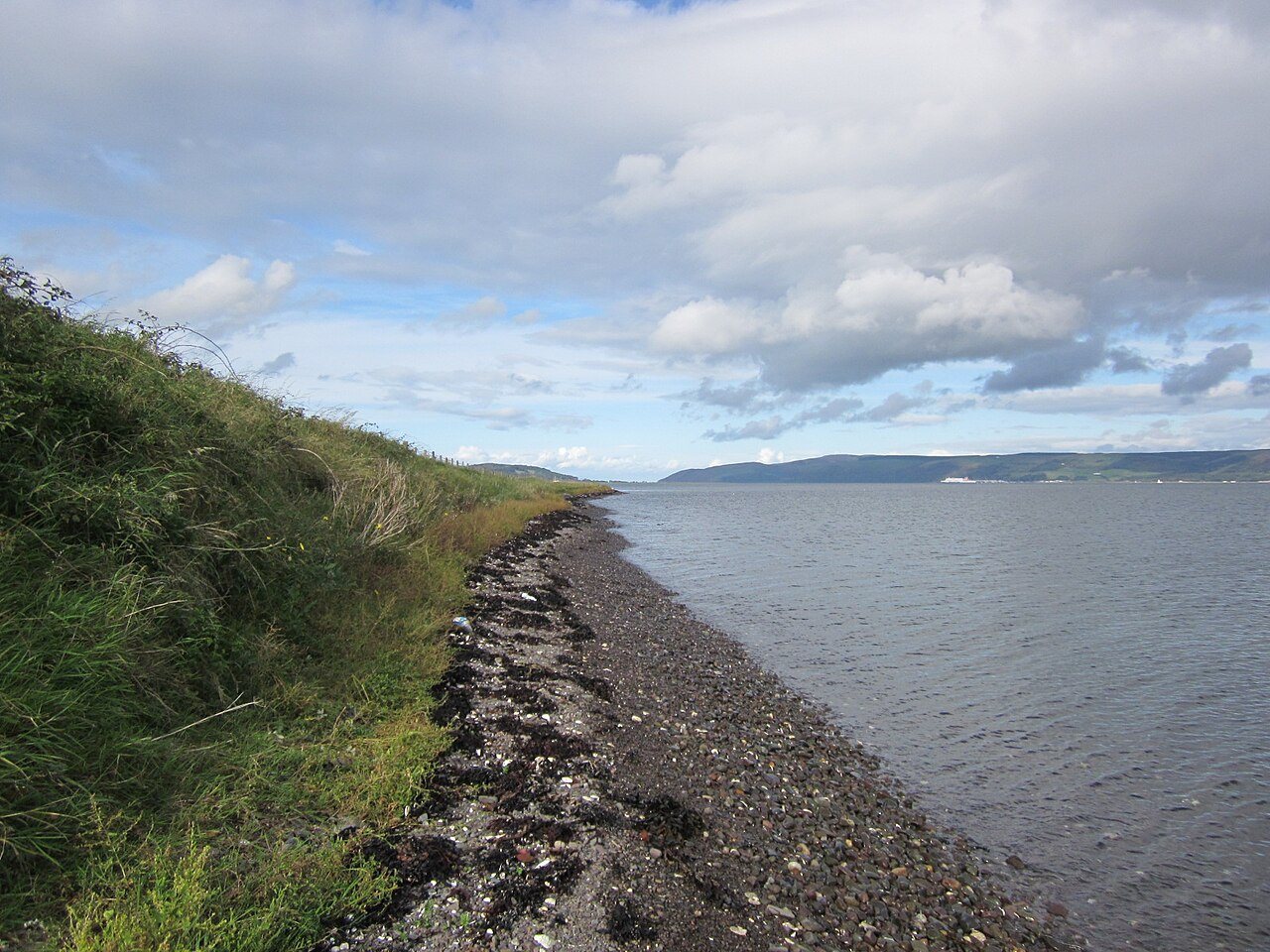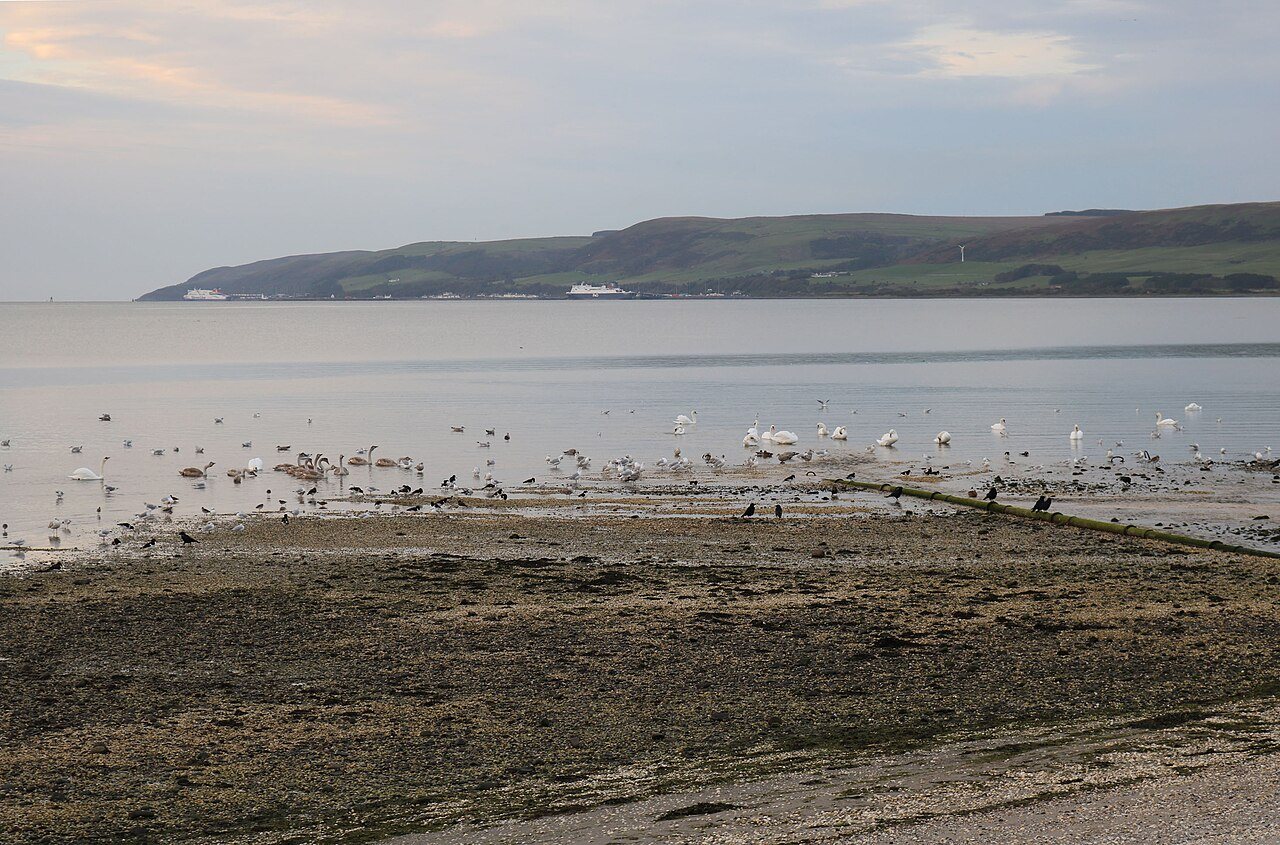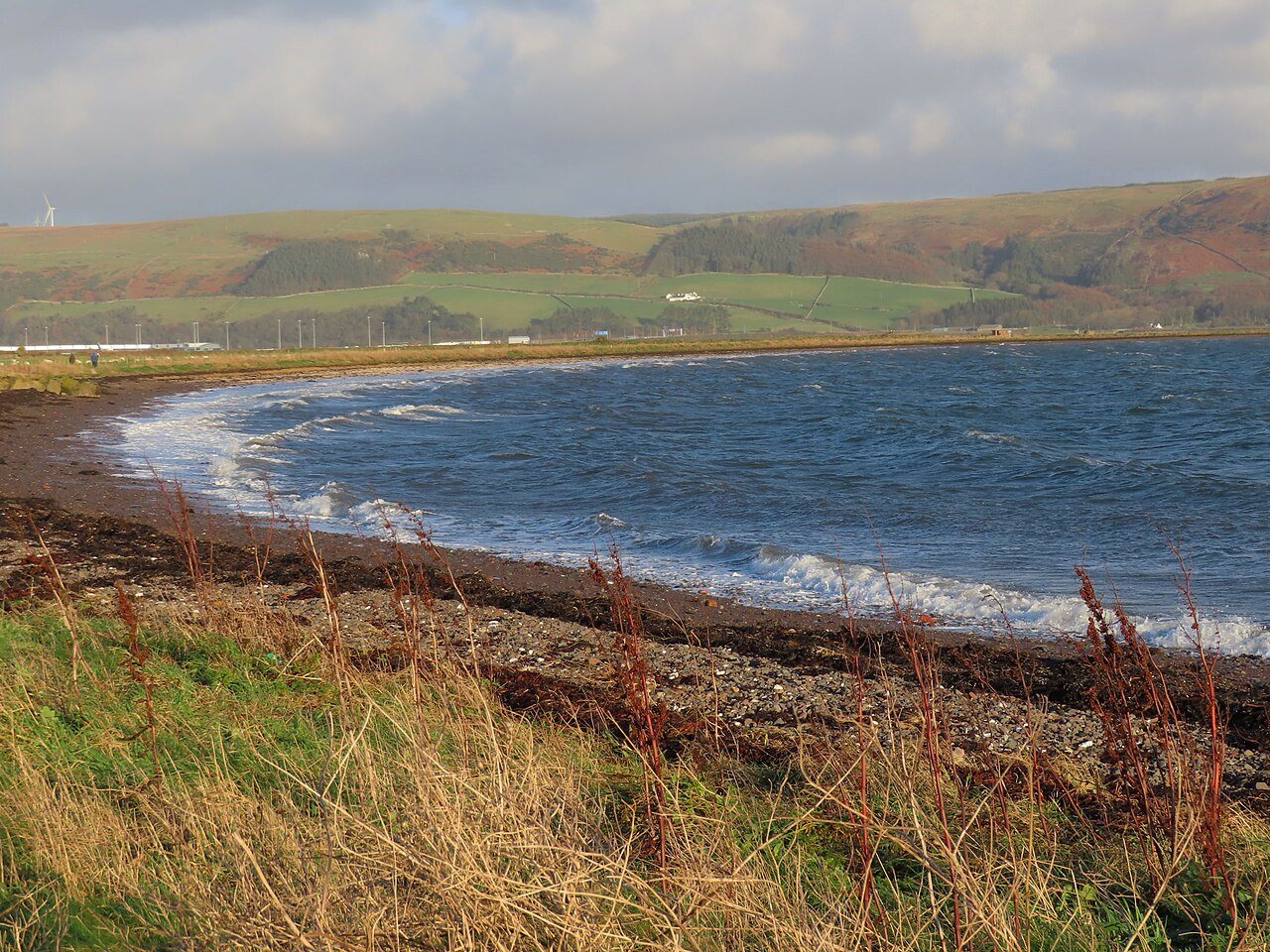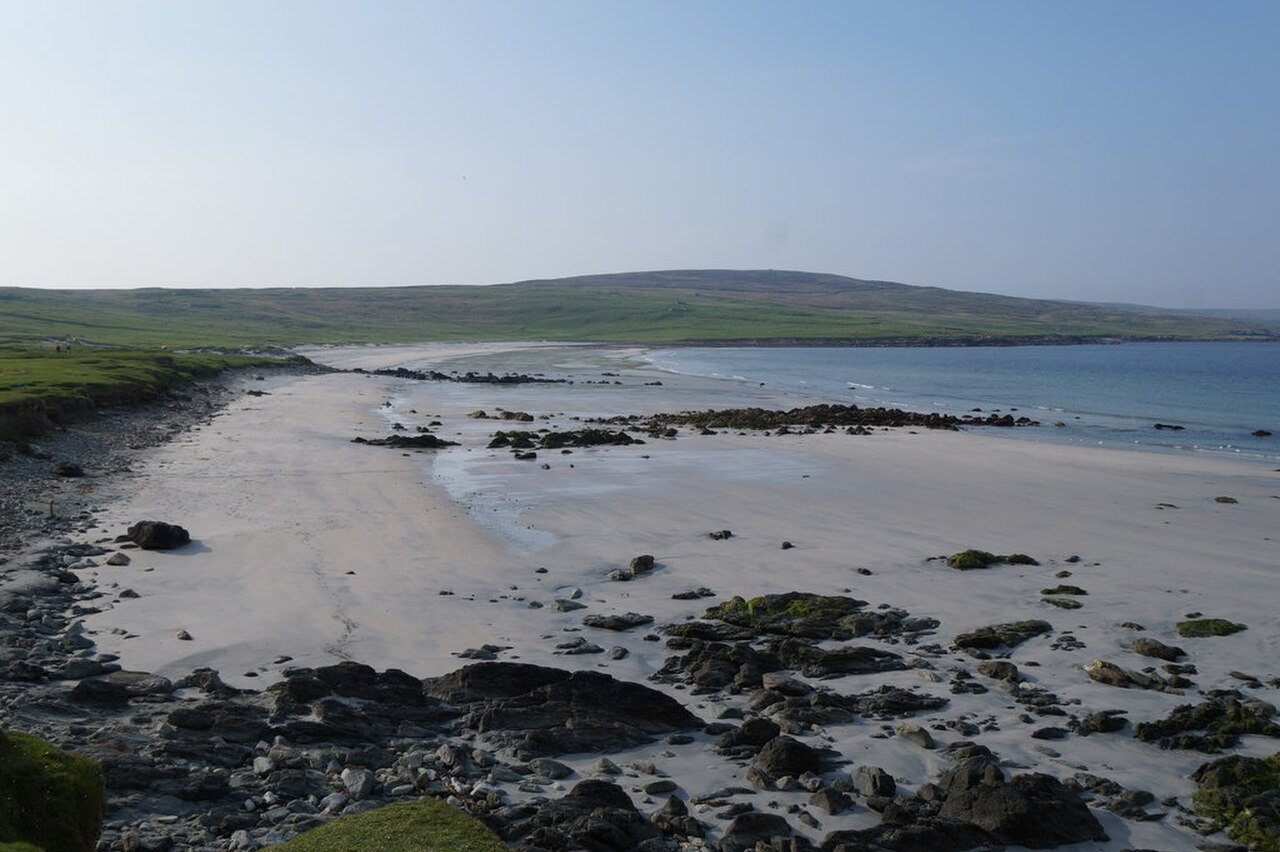
Tides matter to ordinary beach walks as much as to boats and swimming. Around the Rhins, a stretch of shore can be available when you arrive and cut off before you return. The useful habit is to connect a local tide prediction with the particular route, rather than remembering a general rule about low water.
Start with the correct prediction
Use a recognised source for the relevant coastal location and the day of the outing. Check the displayed time basis, especially if comparing a table with another app or a printed guide. Do not transfer yesterday's tide time to today or assume the nearest town name represents every bay identically.
Record when high and low water are expected, then look at whether your proposed walking period includes a rising tide. A prediction provides a framework, not a guarantee of comfortable conditions. Weather, waves and the shape of the shore still need attention.
Understand range without confusing it with season
Spring tides have a greater difference between high and low water; neap tides have a smaller difference. 'Spring' here is not a reference to the season of the year. The distinction matters because more shore may be covered at a high spring tide than on another visit.
A smaller range does not automatically make a route safe. Rocks, channels and the absence of exits can create problems at different water levels. The decision must be about your actual route and the people using it, not just which type of tide appears in a calendar.
Plan the return before the outward walk
Identify where water could block the way back and where lawful, practical exits exist. Do this before walking around an outcrop or into a separate cove. A cliff behind you can prevent the simple option of moving higher up the beach.
Set a conservative turning point and keep checking conditions while you are out. Photographs and wildlife observations can use more time than expected, so leave a margin for them. If there is no suitable tide window for the chosen shore, change the outing to an established land route rather than trying to make the schedule fit.
A couple of practical questions
Are spring tides only in spring?
No. The term describes a larger tidal range, not a season. Use the actual local prediction for your date instead of inferring conditions from the month.
Is checking low-water time enough?
No. You also need the intended route, the return time, the rising or falling state of the tide, available exits and current weather. A single low-water time does not describe a complete safe walking window.