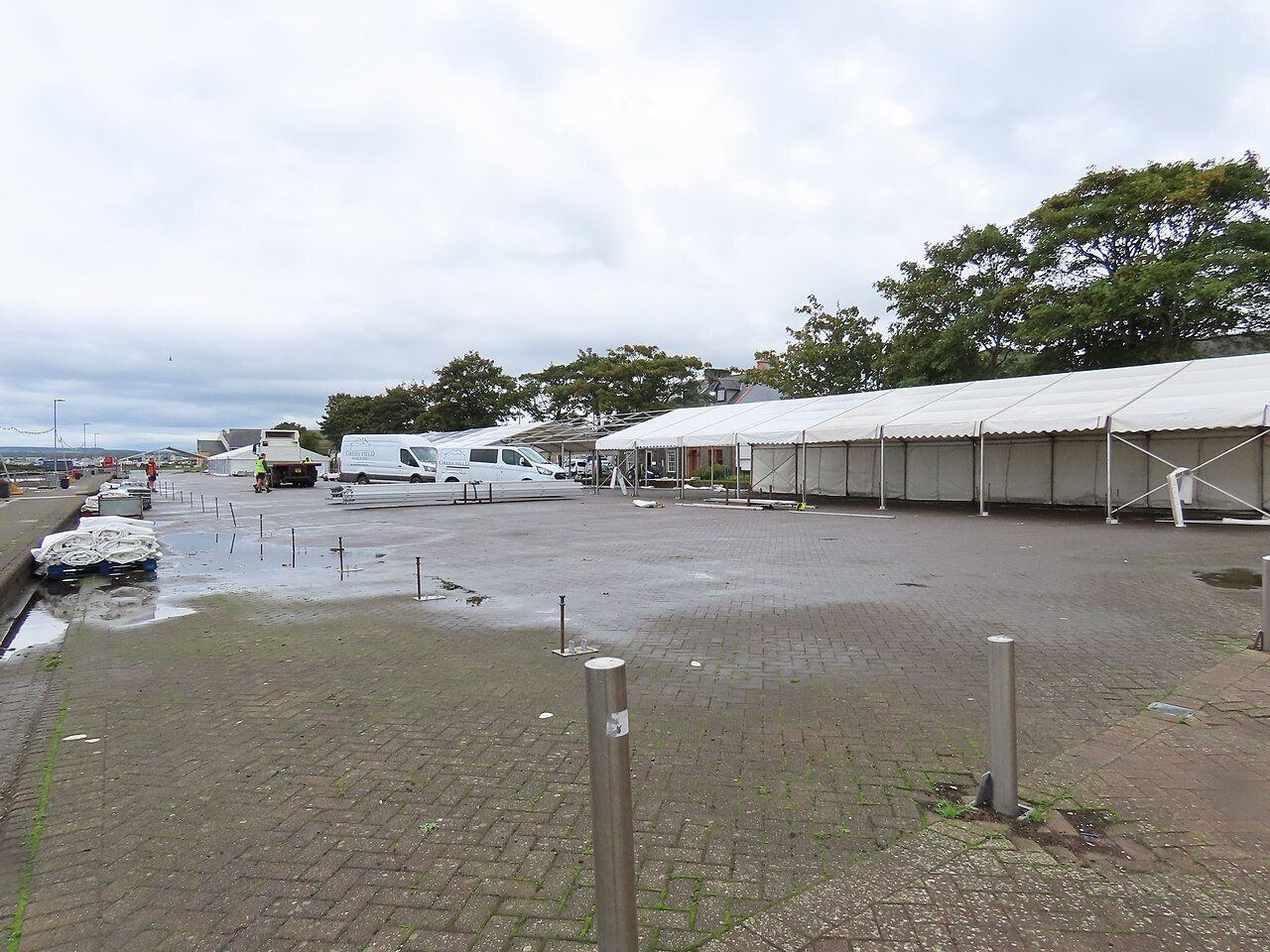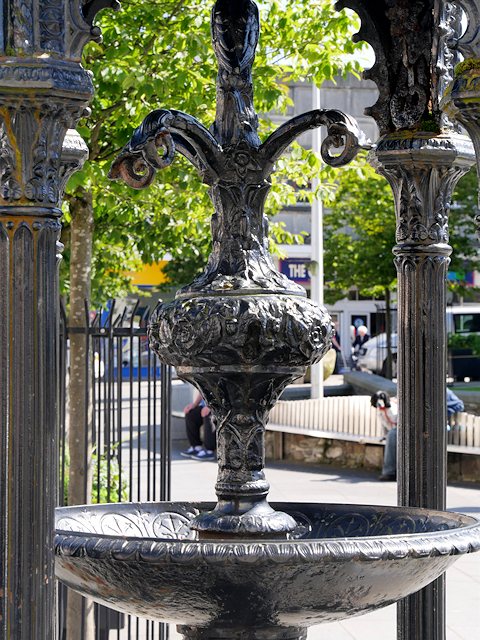
Photographing a town starts with deciding what you want to notice. Stranraer's harbour setting is an obvious subject, but stonework, signs, windows and the relationship between buildings can tell a different part of the story. Give a short walk one theme and work from public space without obstructing people going about their day. A useful photograph can be made slowly; it does not require access to a private doorway or an unusually dramatic angle.
Begin with a theme small enough to see
Choose doors, building materials, rooflines or the way streets meet. Make one wider image to establish the setting before taking details. At the Castle of St John, for example, a view that includes neighbouring streets can explain the tower's position in today's town more clearly than an isolated close-up.
Do not let the camera supply a historical claim by itself. A carved date, repaired wall or reused opening needs context before it can be explained confidently. Keep a note of what was visible and investigate the interpretation later through records or the museum.
Work with ordinary light
An overcast day may make a stone detail easier to record without strong shadow, while low light can reveal surface texture. Move to another safe public position before trying to solve every problem with camera settings. Keep a phone or camera dry when rain arrives.
Look behind you before stepping back for a wider composition. Stay clear of roads, entrances and the flow of people. If you need to pause to review images, choose a position where you are not blocking a narrow path or asking others to walk into traffic.
Respect the life around the picture
A town is a working place rather than a set of empty facades. Avoid intrusive photographs of people, homes or private activity. Ask where appropriate when someone is the intended subject, and accept a refusal without argument. Specific indoor venues or events may have their own photography rules.
Afterwards, choose a few images that form a readable sequence: setting, detail and another view showing their relationship. Add accurate place notes and preserve uncertainty about dates or meanings. This gives you a useful town record without inventing a story the image cannot establish.
A couple of practical questions
Do I need a dedicated camera?
No. A phone can record composition and detail well enough for a travel notebook. The useful work is choosing the subject, position and context, not owning a particular device.
Can I explain a building's age from its appearance?
Treat appearance as a question rather than proof. Check a reliable record or site interpretation before assigning a date, use or owner to a feature in a caption.