A travel notebook does not have to narrate every hour of a holiday. For Stranraer and the surrounding area, a small record organised by place can help connect a walk, a museum visit and something noticed from a bus window. The most useful distinction is between what you directly observed, what a source told you and what you still want to investigate. That allows the record to become more accurate over time instead of turning a first impression into a permanent claim.
Give each entry a clear anchor
Start with the date and the place, adding enough detail to identify the location later. A village name may be sufficient for a general impression, while a building or viewpoint benefits from a street or map reference. Record the weather only when it explains the experience, such as poor visibility or a surface made wet by rain.
Write one concrete observation before judging the place. 'Three different masonry textures around the opening' gives you something to investigate; 'very old doorway' does not establish a date. A small sketch can also record the relationship between features without pretending to architectural precision.
Keep source notes beside the claim
When a panel, guide or website provides a fact, note its title and location or URL. For a historic map, include the series and relevant survey or revision date rather than only calling it an old map. The National Library of Scotland's map information can help you identify those details.
Place-name research especially benefits from recording exact spellings and references. The OS Name Books may preserve a description or an explanation given by a named authority. Keep that account separate from a later specialist interpretation and from your own proposed meaning.
Make room for uncertainty
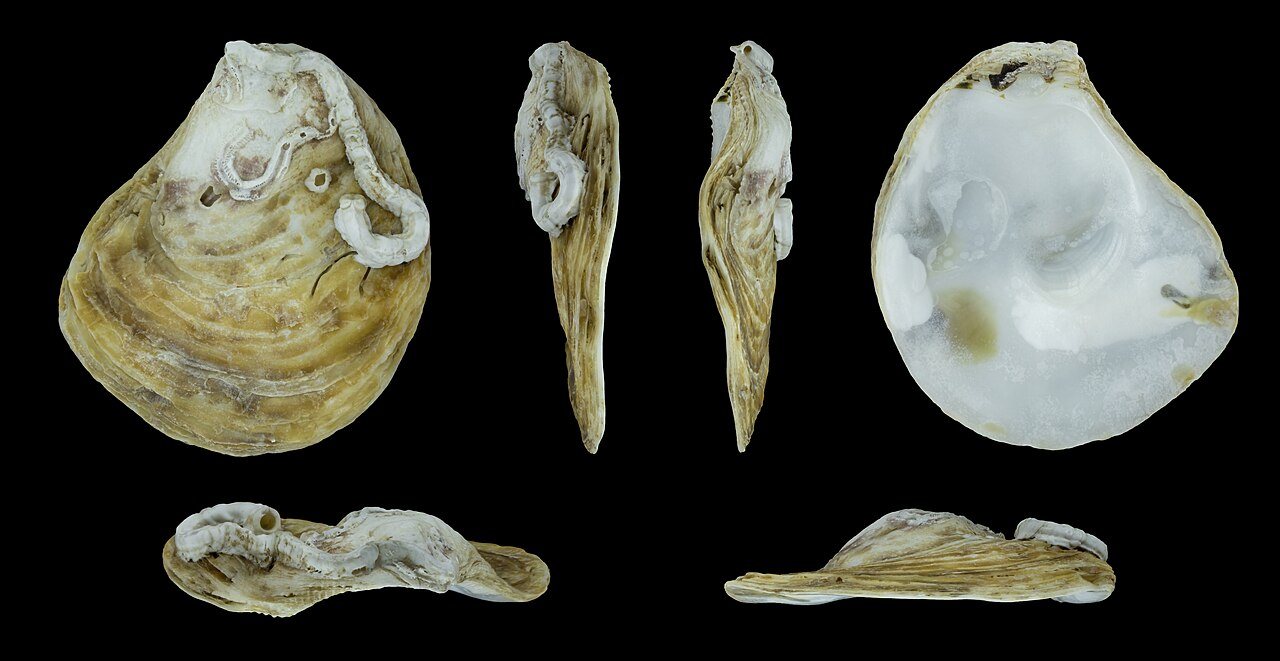
Use a question mark or an explicit 'to check' note when identification is incomplete. A bird glimpsed at a distance, a shell of uncertain species or an unreadable inscription can still be recorded honestly. The notebook does not need an answer for every object before the day ends.
Link photographs to the entry while you remember their context. A label photograph, a wide setting and a detail often make a useful group. Keep any image of a person or private activity appropriately considerate, and do not collect natural or historic material merely to make the notebook more tangible.
Review a small amount afterwards
Choose one question to investigate rather than trying to turn the whole trip into an immediate research project. Add the answer with its source and retain the original observation. If a previous interpretation was wrong, correcting it is part of the notebook's value.
For a return visit, use the record to compare carefully. A changed sign, repaired wall or different seasonal view is a reason to ask what changed, not proof of a broad trend. A handful of accurate entries can connect several visits more clearly than pages of confident but unreferenced narrative.
A couple of practical questions
Must I draw well to keep this kind of notebook?
No. A simple line showing where a path meets a building or where a feature sits in the view can be useful. Label it as your sketch rather than treating it as an exact plan.
Should I rewrite the first impression after finding better evidence?
Add a correction or later note with its source. Keeping the distinction between original observation and later interpretation makes the record clearer and shows how your understanding developed.